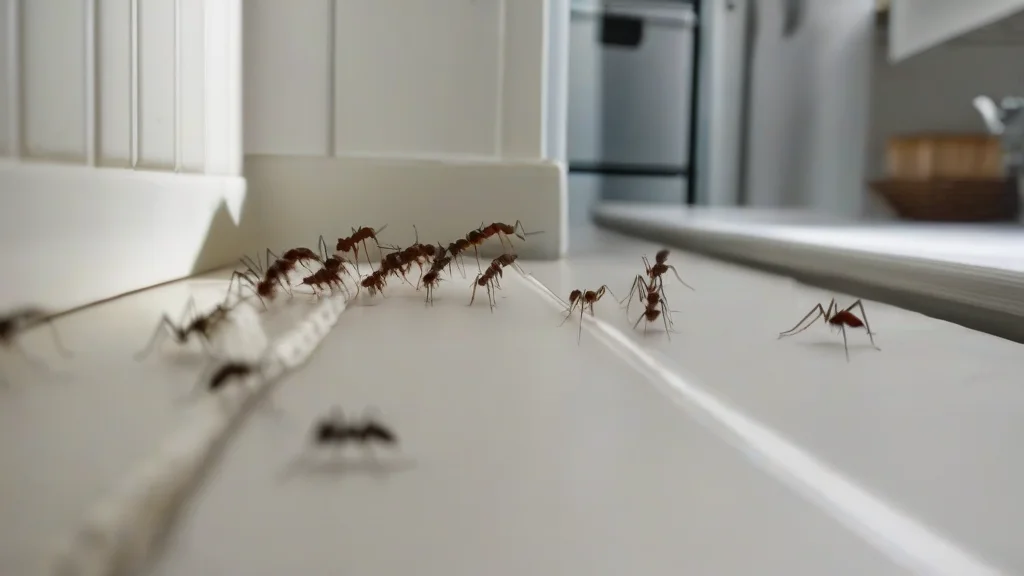
Your beautiful lawn and garden might be the unseen gateway for your next major indoor ant infestation. The journey from soil to sill is a common path for ants, and ignoring your outdoor space is a critical mistake in any effective ant control strategy. Many homeowners focus solely on the ants marching across their kitchen counter, missing the root cause flourishing right outside their door. This article focuses on the often-overlooked outdoor precursors that create ideal conditions for ants to thrive and eventually move indoors. Understanding this connection is the first step toward a comprehensive and lasting solution.
Effective ant control requires a shift in perspective. It's not just about killing the ants you see; it's about making your property, starting with your lawn, fundamentally unattractive to them. By addressing the specific landscaping choices, moisture issues, and food sources in your yard, you can build a powerful defensive perimeter. This proactive approach is far more effective than reactive indoor sprays, saving you from recurring battles and protecting your home's structural integrity.
Understanding the Lawn-to-Home Ant Connection
Ants are opportunistic explorers constantly searching for food, water, and shelter. Your lawn and garden can provide all three in abundance, acting as a staging ground for invasion. The bridge from your yard to your home is built on scent trails laid by scout ants. Once a reliable resource is found inside—a drip under the sink, a crumb on the floor, or pet food left out—these trails become superhighways for the entire colony. This is why outdoor ant control is not a separate task but the essential first line of defense in any integrated pest management plan.
The types of ants most likely to make this transition are those that nest in soil or under objects. Carpenter ants, which excavate wood to create galleries, often establish parent colonies in moist, decaying tree stumps or logs in the yard before sending satellite colonies into your home's structural wood. Odorous house ants and pavement ants frequently build nests under sidewalk slabs, driveway edges, or patio stones, with easy access through foundation cracks. Ignoring these outdoor nests means you're only ever fighting a fraction of the problem.
Important
Seeing ants indoors sporadically, especially in spring and fall, is often a sign of a large, established outdoor colony sending scouts inside. This is your early warning system to take outdoor action before a full-blown infestation occurs.
Seasonal changes dramatically influence ant behavior. During hot, dry summer months, ants venture indoors seeking water. In contrast, heavy rains can flood their underground nests, forcing them to seek higher, drier ground—often inside your walls. Understanding these patterns helps you time your preventative ant control measures effectively, applying barrier treatments in late spring before scouts become active and again in early fall as colonies prepare for winter.
Top Lawn Culprits That Attract Ants
Your landscaping decisions directly impact your property's appeal to ants. Certain common features act as magnets, creating the perfect environment for colonies to grow and multiply. By identifying and modifying these elements, you can significantly reduce the ant pressure on your home. The goal is to eliminate the harborage sites and food sources that make your yard a desirable habitat.
Landscaping and Moisture Issues
Excess moisture is the single biggest attractant for many pest ants. Leaky irrigation heads, poorly graded soil that creates puddling, and clogged gutters that spill water directly against your foundation create the damp conditions ants crave. Mulch piled against your home's siding is a classic mistake; it retains moisture and provides ideal nesting material, essentially building a condo for ants right on your exterior walls. Similarly, overwatering your lawn, especially near the foundation, invites trouble.
- Inspect Your Irrigation
Walk your property while sprinklers are running. Look for leaks, overspray hitting the house, and areas where water pools for more than 30 minutes after watering. Fixing these issues is a non-chemical form of ant control that also saves water.
- Create a Dry Perimeter
Maintain a 12-18 inch barrier of dry, inorganic material like gravel or stone between your lawn/landscaping beds and your home's foundation. This zone discourages nesting and makes it easier to spot ant trails attempting to cross.
- Manage Mulch and Debris
Keep mulch, leaf litter, and woodpiles at least two feet away from your foundation. Store firewood off the ground on a rack, and never stack it against the house.
Garden Pests and Food Sources
Aphids, scale insects, and other sap-sucking pests are like dairy farms for ants. These pests excrete a sweet, sticky substance called honeydew, which ants harvest as a primary food source. If you see ants marching up and down the stems of your plants, they are often "farming" these insects, protecting them from predators to maintain their honeydew supply. This symbiotic relationship means an aphid problem on your roses can directly fuel an ant colony that later invades your kitchen.
- Aphid infestations — Ants will aggressively protect aphid colonies on ornamental plants and vegetable gardens.
- Overripe fruit — Fallen fruit from trees provides a potent sugar source that attracts large numbers of ants.
- Pet food bowls — Outdoor pet feeding stations are a reliable, high-protein buffet for ant colonies.
- Unsecured trash and compost — Bins without tight-fitting lids offer a endless variety of food scraps.
Managing these secondary pests is a crucial component of long-term ant control. Regularly inspect plants for aphids and treat them with horticultural oils or insecticidal soaps. Pick up fallen fruit promptly, feed pets indoors, and ensure all outdoor trash receptacles have sealing lids. Eliminating these food sources removes a major incentive for ants to colonize your yard.
The most effective ant control starts outside. By eliminating moisture magnets like mulch-to-foundation contact and managing honeydew-producing pests like aphids, you remove the core reasons ants choose your property, preventing invasions before they begin.
How to Hire a Pro for Outdoor Ant Control
When DIY methods fail or the infestation is widespread, hiring a professional pest control company is the smartest move. However, not all providers are equal. For a problem like perimeter ant control, you need a pro who understands the biology of ants and the specifics of exterior treatment. This is about protecting your largest investment—your home—so due diligence is critical.
Start by getting at least three detailed quotes. A reputable company will insist on a property inspection before giving a price. Be wary of anyone who quotes over the phone without seeing your lawn, foundation, and potential entry points. During the inspection, a good technician will walk the perimeter with you, point out conducive conditions, and explain their proposed treatment plan. They should discuss integrated pest management (IPM) principles, which prioritize habitat modification and targeted treatments over blanket chemical application.
Signs of a Quality Pro
- Proper Licensing — Holds a current state-issued pest control license and provides proof of insurance.
- Clear Explanation — Takes time to educate you on the ant species, treatment methods, and safety precautions.
- Written, Detailed Quote — Outlines exactly what's included, the products used, and the expected results and warranty.
- Focus on Prevention — Offers advice on long-term landscaping changes to prevent future issues.
Red Flags to Avoid
- High-Pressure Sales — Uses scare tactics or pushes for an immediate, expensive long-term contract on the first visit.
- Vague Pricing — Quotes a suspiciously low "per-gallon" price or won't put the total cost in writing.
- No Inspection — Offers a firm price without looking at your property's specific challenges.
- Over-Promising — Guarantees complete, permanent eradication (a realistic pro will discuss management, not magic bullets).
Understanding pricing is key. Most companies charge between $150 and $500 for an initial outdoor ant control service, with follow-up visits or annual plans costing less. The price varies based on your home's square footage, the severity of the infestation, and the treatment method. Liquid perimeter barriers, granular lawn treatments, and direct nest injections are common approaches. Ask what the warranty covers—a good company will offer a 30- to 90-day guarantee with free callback service if ants return.
Did You Know?
Platforms like HomeProMatcher simplify this vetting process. Instead of cold-calling multiple companies, you can get matched with local, pre-screened pest control pros who are licensed, insured, and reviewed. It connects you directly to a qualified provider for a consultation, eliminating the guesswork and endless search.
Professional Lawn and Perimeter Ant Control Solutions
Professional pest controllers have access to more powerful tools and precise application methods than consumers. Their approach to outdoor ant control is systematic, targeting colonies at the source and creating a protective shield around your home. The most common and effective professional treatment is the exterior perimeter application. This involves applying a residual insecticide in a continuous band around the foundation, across door thresholds, and around utility penetrations.
The technician will also treat ant trails and directly inject insecticide into visible nest openings in the lawn or under pavement. For carpenter ants, they will inspect and treat nearby tree stumps, dead limbs, and wooden landscape ties that serve as potential nesting sites. Many pros now use baits specifically formulated for outdoor use. These are placed in secure stations around the property. Worker ants carry the bait back to the colony, where it is shared, eventually eliminating the queen and the nest's reproductive capacity.
| Treatment Type | How It Works | Best For | Longevity |
|---|---|---|---|
| Liquid Perimeter Barrier | Creates an invisible insecticidal barrier that kills ants on contact as they cross. | Preventing ants from entering; general repellency. | 2-3 months |
| Granular Lawn Treatment | Granules are spread across the lawn and watered in, targeting subsurface nests. | Lawn-dwelling ants like fire ants or pervasive ground nests. | 4-6 weeks |
| Outdoor Bait Stations | Uses attractive bait carried back to the colony to eliminate it from within. | Large, established colonies with hard-to-find nests. | Requires monitoring and refilling |
| Direct Nest Injection | Insecticide is injected under pressure directly into nest entrances in soil or pavement. | Visible, localized nests (e.g., in sidewalk cracks). | Immediate colony elimination |
After a professional treatment, you may see an initial increase in ant activity for 24-48 hours. This is often called the "flushing" effect and is normal as the colony is disturbed and ants scatter. The population should then decline rapidly. A quality technician will provide clear post-treatment instructions, like avoiding watering the treated zone for 24 hours and keeping pets and children away until the application has dried.
EcoShield Pest Solutions
Specializes in IPM-focused exterior treatments with an emphasis on eco-friendly products. Offers a 60-day guarantee on their perimeter ant control service and provides a detailed inspection report with habitat modification recommendations. Average initial treatment cost: $275-$400.
Long-Term Prevention and Maintenance
Professional treatment provides a reset, but lasting ant control depends on your ongoing maintenance. Think of it as a partnership: the pro knocks the population down, and you maintain an environment where it's difficult for ants to rebound. This involves regular yard work and seasonal vigilance. Commit to a simple monthly walk-around your property's perimeter to check for new ant activity, moisture problems, or potential entry points.
Seasonal timing is everything. Schedule a preventative perimeter application in late spring, just as ant colonies become active and start expanding their foraging ranges. A follow-up application in early fall can block ants seeking shelter from colder weather. Trim back any tree branches or shrubbery that touch your house, as these provide natural bridges for ants to bypass your ground-level barrier. Seal cracks in the foundation, around windows, and where utility lines enter with a quality silicone-based caulk.
Use a dish soap and water solution (2 tablespoons soap per quart of water) to spray visible ant trails on your patio or driveway. This destroys their chemical pheromone trail, confusing the colony and disrupting their coordinated movement, giving you time to address the source.
Your choice of plants can also help. Consider incorporating ant-repelling plants like mint, tansy, or lavender into your landscaping near the home's foundation. While not a standalone solution, these plants can provide a mild deterrent. Ultimately, the goal is to create a clean, dry, and well-maintained perimeter. When combined with professional expertise for serious infestations, this holistic approach delivers the peace of mind that your home is protected from the ground up.
Frequently Asked Questions
For contact barrier treatments, you should see a significant reduction in ant activity within 24-72 hours. For baiting systems, it can take 1-2 weeks to see the full effect as the bait works through the colony. A temporary increase in ants right after treatment is common and not a cause for concern.
When applied by a licensed professional according to label directions, modern perimeter insecticides are designed to be safe once dried. The technician will provide specific re-entry times, typically 1-2 hours for the treatment to dry. Always follow their post-treatment instructions closely to ensure safety.
For small, visible nests, DIY products can be effective. However, for widespread infestations or to create a lasting protective barrier, professional-grade products and application equipment are far more effective. Misapplied store-bought chemicals can run off into waterways or fail to reach the colony's core, wasting your time and money.
Create and maintain a dry, clean, 12-inch perimeter around your entire foundation. Remove mulch, leaves, and vegetation, and ensure the soil slopes away from your house. This simple, non-chemical step eliminates the shelter and moisture ants need to establish bridgeheads near your home.
Not always, but it's the most likely scenario. Indoor ants are almost always foraging from an outdoor colony. The nest could be in your lawn, under pavement, in a neighbor's yard, or in a nearby tree stump. A professional inspection can help trace the trails back to their source to determine the best ant control approach.