You water, you fertilize, you pull weeds, yet your neighbor’s lawn always looks better. The secret isn’t a magic potion or a massive budget. The single most powerful tool in your lawn care arsenal is a setting on your mower you’ve probably never touched. Proper lawn care isn’t about doing more—it’s about doing one thing right. This article reveals how mastering your mower’s cutting height can transform your turf, saving you water, money, and countless weekend hours.
Most homeowners treat mowing as a simple chore, focused on getting the grass short and tidy. This approach is the root cause of thin, weak lawns vulnerable to drought, disease, and weeds. Effective lawn care is a science of strategic growth management. By understanding and applying the principles of correct mowing, you cultivate a lawn that’s naturally resilient. The grass really is greener on the other side, but only because they’re cutting it correctly.
The Non-Negotiable Foundation of Lawn Care
Before diving into the mechanics of your mower, it’s critical to grasp what you’re actually managing. A lawn is a living, breathing carpet of millions of individual grass plants. Each blade is a solar panel, and the crown—the growth center at the base—is its heart. Every time you mow, you’re performing minor surgery. The goal of intelligent lawn care is to remove just enough leaf tissue to stimulate healthy growth without damaging the plant’s ability to feed and regenerate.
Cutting too short, a practice called scalping, exposes the soil to sunlight, which heats the roots and evaporates precious moisture. It also gives weed seeds the perfect environment to germinate. Conversely, letting grass grow too tall between mows shocks the plant when you finally cut it, leading to yellowing and disease. The cornerstone of all professional lawn care programs is consistent mowing at the correct height. This one habit does more for lawn health than any bag of fertilizer you can buy.
Did You Know?
Grass roots grow in proportion to the blade height. Shorter grass equals shallow roots, making your lawn far more susceptible to drought stress. Taller grass cultivates a deep, robust root system that seeks water and nutrients from deeper in the soil.
The Photosynthesis Principle
Think of each grass blade as a tiny factory. Sunlight is the raw material, and through photosynthesis, the plant produces the sugars it needs to grow roots, repair damage, and store energy. When you cut off too much of the factory, production plummets. The plant must use its stored energy reserves just to regrow leaves, leaving nothing for root development or disease defense. This is why a scalped lawn turns brown and thin—it’s literally starving. Superior lawn care prioritizes the plant’s long-term health over short-term aesthetics.
The fundamental rule of thumb for all grass types is the "One-Third Rule": never remove more than one-third of the grass blade’s total height in a single mowing session. This minimizes stress and keeps your lawn consistently green and growing.
Mower Height Mastery: The Single Most Important Setting
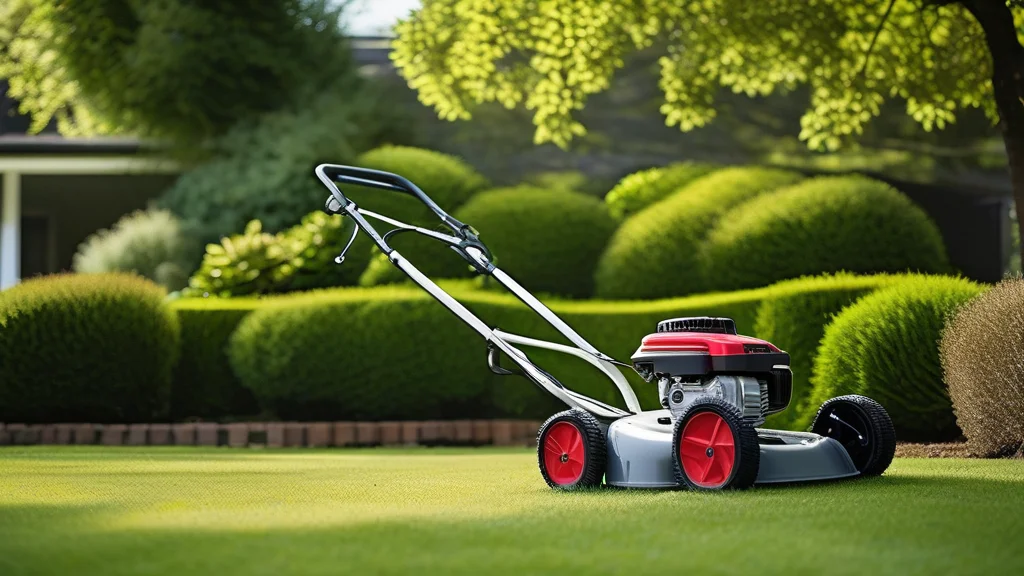
Now, let’s get practical. Your mower’s height adjustment lever is the control panel for your lawn’s destiny. Whether it’s a simple pin-and-notch system or a dial, you must know how to measure and set it accurately. The first step is to stop guessing. Get a ruler and measure from a flat surface (like your driveway) to the blade tip, then to the highest point of the mower deck. This gives you your true cutting height. You’ll often find the numbers on your mower’s settings are approximate at best.
Adjust your mower for the season and condition of your lawn. For the first mow of spring, set the blade on the highest setting to avoid stressing the tender new growth. As the season progresses and growth speeds up, you can gradually lower it to your target range, but always obey the One-Third Rule. If you’ve been mowing short and want to transition to a healthier height, do it gradually over several mowing sessions. Raising the height too quickly can cause a thatch-like layer of clippings that smothers the grass beneath.
Benefits of Correct Height
- Deep Root Systems — Promotes roots that grow 6+ inches deep, accessing sub-soil moisture and nutrients.
- Natural Weed Suppression — A dense, tall canopy blocks sunlight from reaching weed seeds in the soil.
- Reduced Water Needs — Shaded soil retains moisture dramatically better, cutting irrigation costs.
- Improved Disease Resistance — Healthier plants with robust energy reserves can fight off fungal issues.
Risks of Mowing Too Short
- Scalping & Soil Exposure — Burns roots, invites weeds, and causes thin, patchy turf.
- Drought Vulnerability — Shallow roots require constant, shallow watering to survive.
- Increased Thatch — Stressed grass produces more lateral stems, leading to buildup.
- Fertilizer Dependency — Weak lawns need constant synthetic inputs to look green.
The Grass Type Guide: Cutting by the Book
There is no universal perfect height. Your ideal setting is dictated by the specific grass species growing in your yard. Cool-season and warm-season grasses have vastly different growth habits and optimal height ranges. Using the wrong guide is like following a recipe for cake when you’re making bread. The first step in advanced lawn care is identifying your grass type. Look at leaf blade width, growth pattern (bunching or spreading), and your geographic location.
Important
Mowing below a grass type's recommended range is a guaranteed way to damage it. For example, cutting Bermuda grass at 3 inches will leave it leggy and weak, while cutting Kentucky bluegrass at 1 inch will likely kill it. Always reference a reliable guide for your specific turf.
Here are the optimal cutting height ranges for common grass types, measured in inches. Always cut at the higher end of the range during summer heat stress or drought conditions.
| Grass Type | Category | Optimal Height Range | Key Mowing Note |
|---|---|---|---|
| Kentucky Bluegrass | Cool-season | 2.5" - 3.5" | Performs best at taller heights; never cut below 2". |
| Perennial Ryegrass | Cool-season | 2.0" - 3.0" | Good wear tolerance; can handle lower range. |
| Tall Fescue | Cool-season | 3.0" - 4.0" | Exceptionally drought-tolerant when mowed high. |
| Bermuda Grass | Warm-season | 1.0" - 1.5" | Requires frequent mowing; can be cut very short. |
| Zoysia Grass | Warm-season | 1.5" - 2.5" | Slow growing; dense turf chokes out weeds. |
| St. Augustine | Warm-season | 3.0" - 4.0" | Has wide blades; cutting too short causes severe damage. |
Sharp Blades Are Non-Negotiable
Your meticulously set height means nothing if your mower blade is dull. A sharp blade makes a clean, swift cut that heals quickly. A dull blade tears and shreds the grass blade, leaving a ragged, brown tip that is an open wound. This wound loses moisture and is an entry point for disease. For a professional-grade lawn care result, sharpen your mower blades at least twice per mowing season, or after every 8-10 hours of use. The difference in lawn appearance and health is immediate and striking.
Invest in a second sharpened mower blade. When it’s time to sharpen, simply swap the blades. This lets you sharpen the dull one at your convenience without taking your mower out of service during prime growing weekends.
Seasonal Mowing Strategy: Timing Is Everything
Your mowing height and frequency aren’t static; they should change with the seasons. This dynamic approach is the hallmark of sophisticated lawn care. In spring, as growth explodes, you may need to mow every 5-7 days, gradually lowering the height from its winter high. During the peak heat of summer, raise the cutting height to its maximum recommended setting. This provides extra leaf shade for the soil and crowns, reducing heat and water stress.
Fall is the most critical mowing season for cool-season grasses. Continue mowing at a moderate height as growth slows, and ensure the final cut of the season is slightly shorter than your summer height to prevent matting under snow. However, never scalp it. For warm-season lawns, the fall height should be gradually raised as the grass prepares for dormancy. This seasonal dance, not just a weekly chore, builds a lawn that can withstand temperature extremes.
- Spring Start-Up
Set mower to highest setting for first cut. Sharpen blades. Begin mowing when grass reaches about one-third taller than your target height.
- Summer Maintenance
Mow at the high end of your grass type's range. Mow in the cooler morning or evening hours. Never mow during drought stress.
- Fall Preparation
Gradually lower cutting height for cool-season grasses by late fall. For the last cut, drop height by about half an inch from summer height to prevent winter fungus.
- Winter Considerations
Mow only if growth occurs. Keep blades high. Clear leaves and debris to prevent suffocating the grass crown.
Professional vs. DIY: When to Call in the Experts
Mastering your mower’s height is a game-changer, but comprehensive lawn care involves more—aeration, dethatching, pest control, and soil amendment. For many homeowners, DIY is perfect for regular mowing. But there are clear signs it’s time to hire a professional lawn care service. If your lawn has persistent bare spots, widespread weed invasions, obvious disease (circular brown patches, powdery substances), or you simply don’t have the time or equipment, a pro can provide solutions and save you money in the long run.
A professional brings commercial-grade equipment, trained eyes for diagnosis, and access to professional-grade products. They can execute core aeration—a vital service that no homeowner machine can do effectively—to relieve soil compaction. The key is hiring the right professional, not just the cheapest one. A true expert will discuss mowing height, soil health, and organic options, not just push a chemical calendar.
Finding a Lawn Care Pro
Searching for a reliable, licensed lawn care provider can be overwhelming. Platforms like HomeProMatcher simplify this by connecting you with pre-vetted local professionals. Instead of endless online searches and phone calls, you answer a few questions about your lawn needs and are matched with a qualified pro, ensuring they understand fundamentals like proper mowing height from the start.
Your Lawn Care Hiring Checklist: How to Find a Great Pro
If you decide to hire out, be an informed consumer. Your goal is to find a service provider who views your lawn as an ecosystem, not a monthly ticket. Start by getting at least three detailed written estimates. These should break down costs for mowing, fertilization, weed control, aeration, and any other services. Be wary of quotes given over the phone without a site visit—a reputable company will always want to inspect your lawn first.
During the consultation, ask pointed questions that separate the experts from the mow-and-go operators. Their answers will tell you everything about their approach to true lawn care. Here are the essential questions to ask any potential lawn care service:
- "What is your recommended mowing height for my type of grass?" — They should know your grass type and cite a specific range.
- "Do you sharpen your mower blades daily or weekly?" — Dull blades are a major red flag.
- "What is your approach to soil health and aeration?" — Look for answers about core aeration timing and organic amendments.
- "Are you licensed and insured, and can you provide proof?" — This is non-negotiable for liability and professionalism.
- "Can you provide 2-3 local references I can contact?" — Follow up with these references and ask about consistency and communication.
Watch Out
Avoid companies that pressure you into long-term contracts upfront, refuse to provide proof of insurance, or only offer a "one-size-fits-all" chemical program. True lawn care is customized to your lawn's specific conditions, grass type, and your personal goals.
Finally, trust your gut. The provider should listen to your concerns, explain their recommendations clearly, and communicate like a partner in your lawn’s health. If you're ready to skip the search and connect with a pro who's already been vetted, a service like HomeProMatcher can handle the heavy lifting, matching you with local experts based on your specific lawn profile.
Frequently Asked Questions
Mow based on growth, not the calendar. Follow the One-Third Rule: mow when the grass height exceeds your target by one-third. In peak growing season, this may be every 5 days; in slow periods, it could be every 10-14 days.
No! This is called grasscycling and is highly beneficial if you mow regularly with sharp blades. The short clippings decompose quickly, returning valuable nitrogen and organic matter to the soil, acting as a free, light fertilizer.
Recovery requires patience. Raise your mower to the highest recommended setting for your grass type immediately. Then, mow frequently (every 5-6 days) at that height, allowing the grass to recover without removing too much leaf tissue at once. It may take 4-6 weeks to see significant thickening.
Mowing height, by a wide margin. Correct mowing builds a deep, self-sufficient root system. Fertilizer feeds a lawn that’s already healthy. Fertilizing a lawn that’s mowed too short is like giving vitamins to someone who’s bleeding—it doesn’t address the root cause of the problem.