You step into the shower expecting a steady stream of hot water, only to be met with a disappointing chill. This frustrating moment is often the first sign you need professional water heater repair. That daily routine of back-to-back showers, running the dishwasher, and starting a load of laundry isn't just using hot water—it's actively straining the appliance that provides it. Most homeowners don't think about their water heater until it fails, but understanding the connection between your habits and the need for repair can save you from cold showers and expensive emergencies. This guide will walk you through everything from diagnosing issues to hiring the right technician for your water heater repair job.
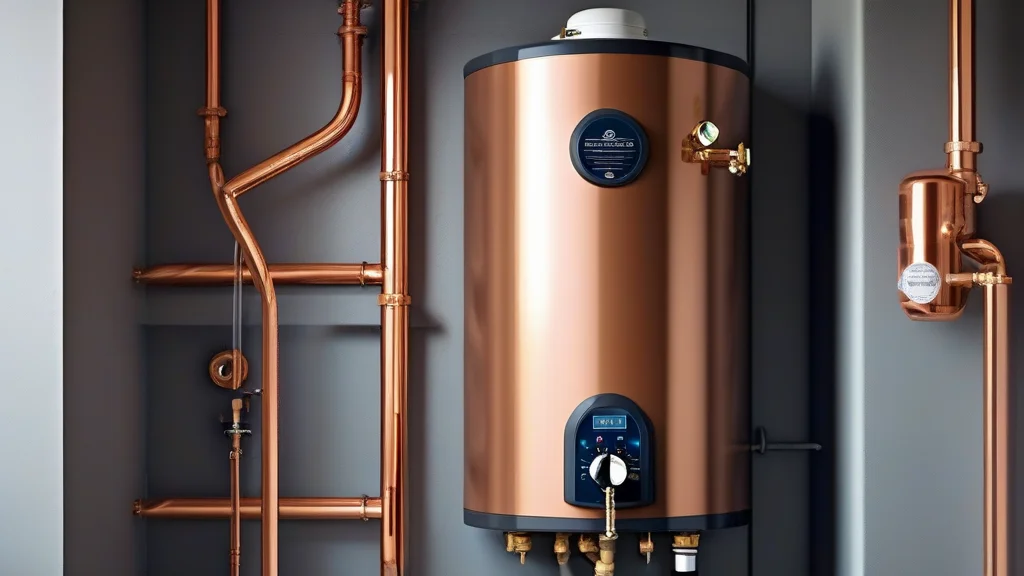
Your water heater works harder than nearly any other appliance in your home. It cycles on and off 24/7 to maintain a set temperature, typically between 120°F and 140°F. When you demand a large volume of hot water in a short period, you're asking the unit to heat a massive influx of cold water rapidly. This thermal shock and constant recovery mode accelerate wear on key components like the heating elements, thermostat, and anode rod. The result is a system that fails prematurely, turning a simple maintenance item into an urgent call for water heater repair.
The Silent Strain on Your Water Heater
Think of your water heater as the marathon runner of your home's mechanical systems. It's always on, maintaining readiness. The real damage occurs during what's called peak demand. This is when multiple hot water outlets are used simultaneously. A classic scenario: someone is in the shower, the washing machine is filling with hot water, and the kitchen sink is running. The tank temperature plummets, triggering the heating mechanism to work at maximum capacity to recover. This cycle of intense heating puts tremendous stress on the system.
Sediment buildup is the primary physical consequence of this strain. Minerals in your water, primarily calcium and magnesium, settle at the bottom of the tank as the water is heated and cooled repeatedly. In a tank constantly being stirred by heavy use, this sediment layer can become thick and insulating. The heater then has to work harder and longer to heat the water above this barrier, causing the lower heating element to overheat and fail. This is one of the most frequent reasons for a water heater repair call. The anode rod, a sacrificial component designed to corrode instead of your tank, also depletes faster under high-demand conditions, leaving the tank itself vulnerable to rust.
Important
Ignoring signs of a struggling water heater doesn't just risk a cold shower. A failing temperature and pressure relief (TPR) valve or a severely corroded tank can lead to leaks or, in extreme cases, a catastrophic rupture, causing significant water damage to your home.
Common Water Heater Repair Culprits
Not all hot water problems mean you need a full replacement. Many issues are repairable by a qualified professional. Knowing the common culprits helps you communicate effectively with a technician and understand the potential scope of your water heater repair.
The symptoms you experience point directly to the faulty component. A complete lack of hot water typically indicates a failed heating element or a tripped circuit breaker/reset button. Lukewarm water or water that runs out too quickly often points to a broken thermostat, a sediment-insulated element, or a undersized unit for your household's demand. Discolored or foul-smelling water is a classic sign of a depleted anode rod and internal tank corrosion. Strange noises—rumbling, popping, or banging—are almost always caused by sediment buildup that boils and shifts at the bottom of the tank.
The most common and preventable cause of water heater failure is sediment buildup. Flushing your tank annually can prevent over 70% of common repair issues and extend the unit's life by several years.
Specific Components and Their Failures
Let's break down the specific parts that fail and what that failure looks like. This knowledge is power when you're discussing a water heater repair estimate.
- Heating Elements (Electric) — These metal rods heat the water. They can burn out due to sediment insulation or normal wear. Repair involves draining the tank and replacing the element, a common and generally affordable fix.
- Thermostat — This control unit tells the heater when to turn on and off. A faulty thermostat leads to incorrect water temperatures. Sometimes it's a simple recalibration; other times it requires replacement.
- Anode Rod — This "sacrificial" rod attracts corrosive elements to protect the steel tank. Once it's fully corroded (usually every 3-5 years), the tank begins to rust from the inside out. Replacing it is a proactive water heater repair that can double the life of your tank.
- Temperature & Pressure (T&P) Relief Valve — A critical safety device that releases water if temperature or pressure gets dangerously high. If it's leaking or fails to operate, it must be replaced immediately.
- Dip Tube — This plastic tube sends cold water to the bottom of the tank. If it cracks, cold water mixes with the hot water at the top, causing you to run out of hot water quickly. Replacement requires draining the tank.
How to Diagnose Your Water Heater Problems
Before you pick up the phone, performing some basic diagnostics can help you understand the problem and prepare for the service call. Always prioritize safety: turn off the power (circuit breaker for electric, gas valve for gas) and the cold water supply before inspecting anything closely.
- Check for Power and Pilot Light
For electric heaters, check your home's circuit breaker panel for a tripped breaker dedicated to the water heater. On the unit itself, there may be a red reset button behind an insulation panel; press it once. For gas models, ensure the pilot light is lit. If it's out, follow the relighting instructions on the label.
- Test the Thermostat Settings
Use a flathead screwdriver to remove the access panels on the side of the unit (after turning power off!). Use a non-contact voltage tester to confirm no power is present. You'll see one or two thermostats. Ensure they are set to 120°F (for safety and efficiency) and haven't been accidentally bumped to a lower setting.
- Listen and Look for Leaks
Listen for rumbling or popping sounds from the tank—a clear sign of sediment. Inspect the area around the base of the heater, the pipe connections, and the T&P valve discharge pipe for any signs of moisture, puddles, or corrosion.
- Assess Water Quality and Quantity
Fill a bucket from the hot water tap. Check for rust particles or a metallic smell. Time how long it takes for the hot water to turn lukewarm during a shower. Running out in under 10 minutes for a standard 40-gallon tank indicates a serious problem.
If you've gone through these steps and the problem persists, it's time to call a professional. Documenting your observations will make you an informed consumer and help the technician diagnose the issue faster, potentially saving you money on the water heater repair service call.
When you call for service, have your water heater's brand, model number, and serial number ready. This information is on a label on the side of the tank. It helps the technician understand the exact parts needed and the unit's age before they arrive.
How to Hire the Right Water Heater Repair Pro
Finding a trustworthy technician is the most critical step in the water heater repair process. A quality repair can extend your unit's life for years, while a poor one can lead to repeated failures, water damage, or even safety hazards. Don't just hire the first name in an online ad or the cheapest quote.
Start by verifying credentials. A legitimate plumbing or HVAC contractor must hold a current state license and carry both liability insurance and workers' compensation. This protects you if something goes wrong on your property. Ask for their license number and verify it online with your state's licensing board. Look for technicians who are specifically experienced with water heater repair and installation, as general handymen may not have the expertise for complex electrical or gas line work.
Finding a Vetted Professional
Platforms like HomeProMatcher simplify this vetting process. Instead of endless searching, you answer a few questions about your water heater repair needs. The service then matches you with local, pre-screened professionals who are licensed, insured, and have verified customer reviews. It's a direct connection to qualified help, saving you hours of research and providing peace of mind.
Always get at least three detailed written estimates. A proper estimate should include a diagnosis, a breakdown of parts and labor costs, the brand/grade of replacement parts, and a warranty for both parts and labor. Be wary of anyone who gives a quote over the phone without seeing the unit. During the estimate, ask pointed questions: "What is the exact cause of the failure?" "Is this a repair or a replacement part?" "How long will the repair last, and what is your warranty?"
Green Flags (Hire Them)
- Clear Licensing & Insurance — Provides proof immediately and without hesitation.
- Detailed Written Estimates — Breaks down costs for parts, labor, and any permits.
- Strong Local Reviews — Has a history of positive feedback on multiple platforms for water heater repair.
- Professional Demeanor — Arrives on time, is courteous, and explains the problem in understandable terms.
Red Flags (Avoid Them)
- Pressure to Decide Immediately — Uses scare tactics about "imminent danger" to rush you.
- Cash-Only Deals — Often indicates an unlicensed operator with no paper trail.
- Vague or Verbal Quotes — Refuses to put the scope of work and price in writing.
- No Physical Address — Operates only out of a truck or P.O. box, making follow-up impossible.
Understanding Water Heater Repair Costs and Investment
The cost of a water heater repair can vary dramatically based on the problem, your location, the type of heater, and the time of service. Understanding this range helps you budget and evaluate whether repair or replacement is the smarter financial decision.
A simple component swap, like a heating element or thermostat, might cost between $200 and $400 including parts and labor. Replacing an anode rod or a T&P valve are relatively inexpensive preventative repairs, typically $150 to $300. However, if the issue is a leaking tank, the repair is almost always a full replacement. The national average for a standard 40-50 gallon tank replacement, installed, ranges from $1,000 to $2,500, with high-efficiency or tankless models costing significantly more.
The critical calculation is the 50% Rule. If the repair cost is more than 50% of the price of a new unit, and your water heater is over 10 years old, replacement is almost always the better investment. A new unit comes with a full warranty, improved efficiency (saving on energy bills), and the reliability of all-new components. A major water heater repair on an old unit is often just the first of several impending failures.
"The most expensive repair is the second one. When a major component fails on an aging water heater, it's usually a signal that other parts are nearing the end of their lifespan. Investing in a new system gives you predictable costs and peace of mind for the next decade."
Proactive Maintenance to Avoid Repairs
The best water heater repair is the one you never need. A small amount of annual maintenance can prevent the vast majority of common failures, extend the lifespan of your unit, and maintain its energy efficiency. This proactive care is simple and can often be done by a homeowner or as part of a low-cost annual service plan with a plumber.
The single most important task is flushing the tank to remove sediment. Once a year, connect a garden hose to the drain valve at the bottom of the tank, run it to a floor drain or outside, and open the valve. Let it drain until the water runs clear. This removes the insulating sediment that causes overheating and inefficiency. While the tank is drained, it's the perfect time to test the T&P relief valve by lifting its lever briefly to ensure water flows freely and stops when released.
Did You Know?
For every 1/2 inch of sediment at the bottom of your tank, your water heater's operating cost increases by as much as 15%. Annual flushing isn't just about preventing repairs; it directly lowers your monthly energy bill.
Adjust your habits to reduce strain. Lower the thermostat to 120°F. This is hot enough for household needs, reduces mineral buildup, and prevents scalding risk. Stagger high-hot-water-use activities. Don't run the dishwasher while someone is showering. Insulate the hot water pipes and the tank itself (if it's an older model without built-in insulation) to reduce heat loss. Finally, know the age of your unit. If it's approaching or past the 10-year mark, start budgeting for a replacement and have it inspected annually. Proactive planning beats an emergency water heater repair every time.
Committing to three simple actions—annual tank flushing, testing the T&P valve, and lowering the thermostat to 120°F—can prevent over 80% of common water heater failures and extend the appliance's serviceable life by 3-5 years.
Frequently Asked Questions
It depends on the symptom. No hot water is an inconvenience. A leaking tank or a malfunctioning Temperature and Pressure Relief Valve (TPR valve) is an immediate emergency that requires shutting off the water and power/gas and calling a pro right away. Strange noises or rusty water are warning signs that should be addressed within days to prevent a full failure.
Some basic maintenance, like flushing the tank or replacing an anode rod, is within a handy homeowner's ability. However, repairs involving electrical components, gas lines, or the internal tank should always be handled by a licensed professional. Incorrect repairs can void warranties, create shock or fire hazards, and lead to costly water damage.
A water heater repair fixes a specific failed component (thermostat, element, valve). Replacement involves installing a completely new unit. The decision is based on the age of your heater, the cost of the repair, and its overall condition. If the tank itself is leaking, repair is not an option—replacement is mandatory.
Most common repairs, like replacing a heating element or thermostat, can be completed in 1-2 hours by an experienced technician. More complex issues or a full unit replacement will typically take half a day. Always ask for a time estimate when you receive your quote.
Instead of frantic online searches, use a matching service like HomeProMatcher. By describing your water heater repair problem, you can be connected directly to local, vetted professionals who are licensed, insured, and ready to help. It streamlines the process, ensuring you get quality service without the hassle of endless calls and verification.