- The Hidden Cost of a Bad Installation
- When to Invest in a New Thermostat Installation
- How to Choose the Right Thermostat for Your Home
- Hiring a Pro: What to Look for in a Thermostat Installation Expert
- What to Expect During the Thermostat Installation Process
- Post-Installation: Calibration, Programming, and Maintenance
- Frequently Asked Questions
You glance at your energy bill and feel that familiar pang of dread. It's high, again, and you can't quite figure out why. You've been diligent about turning off lights, you run full loads of laundry, and you keep the house at a reasonable temperature. The culprit might be sitting quietly on your wall. A flawed thermostat installation is a silent saboteur, capable of draining hundreds of dollars from your wallet each year through subtle calibration errors and inefficient communication with your HVAC system.
This isn't about a thermostat that's visibly broken; it's about one that's operating incorrectly. When the temperature sensor is off by just a few degrees, or the wiring is mismatched, your furnace and air conditioner work overtime without you ever noticing. The process of getting a new thermostat installed correctly is one of the most cost-effective home upgrades you can make, but only if it's done right. Hiring the wrong person for the job can lock in those inefficiencies for years.
The Hidden Cost of a Bad Installation
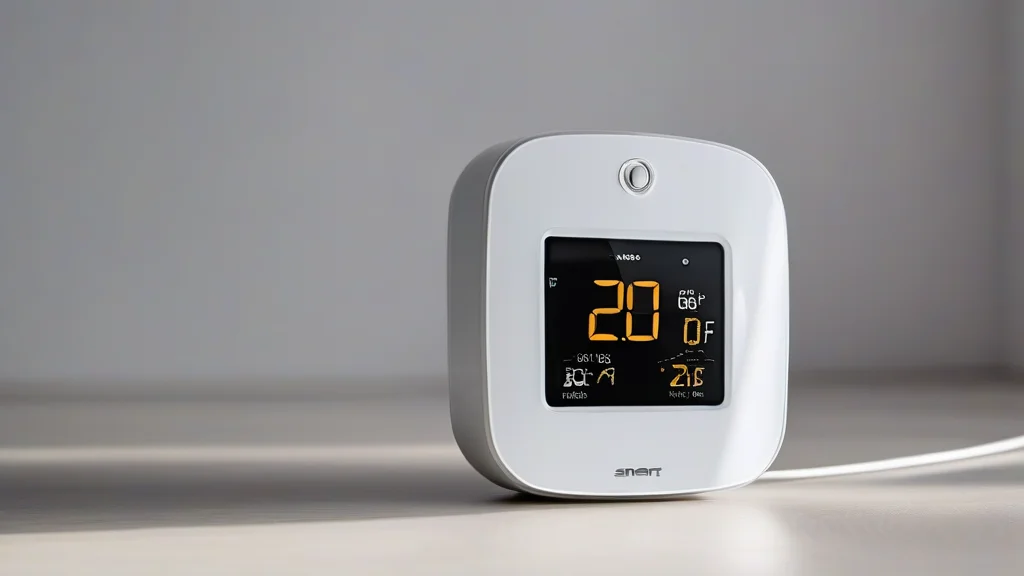
Many homeowners view a thermostat as a simple on/off switch for their HVAC system. In reality, it's the command center for your home's largest energy consumer. A poor thermostat installation creates a cascade of inefficiency. The most common issue is calibration drift, where the thermostat's internal thermometer loses accuracy over time. If it thinks the room is 68°F when it's actually 72°F, your air conditioner will run unnecessarily for hours.
Wiring errors are another major, yet invisible, problem. Connecting the "C" (common) wire incorrectly, or mismatching the "Y" (cooling) and "W" (heating) terminals, can prevent features like your heat pump's auxiliary heat from engaging properly. This forces your system to use its most expensive backup mode, skyrocketing your bills. Even a properly wired unit can suffer from poor placement. Installing a thermostat in direct sunlight, near a heat-producing appliance, or in a drafty hallway guarantees it will get false readings.
Important
Never assume your old thermostat's wiring labels are correct. Previous DIY attempts or sloppy professional work can mean wires are in the wrong terminals. A professional will verify each wire's function at the HVAC equipment before proceeding with the new thermostat installation.
The financial impact compounds silently. An HVAC system struggling against incorrect signals works 15-20% harder than it needs to. For the average household spending $1,200 annually on heating and cooling, that's an extra $180 to $240 wasted. Over a decade, that miscalibration could cost you more than the price of a new high-end system. The goal of a professional thermostat installation is to eliminate this hidden tax on your comfort.
The true cost of a bad thermostat isn't the device itself—it's the years of elevated energy bills caused by an inaccurate or improperly connected unit. Professional calibration and wiring verification are non-negotiable for long-term savings.
When to Invest in a New Thermostat Installation
Knowing when to upgrade can save you from a season of discomfort and overspending. You shouldn't wait for your old thermostat to die completely. There are clear signs that your current setup is costing you money and that a new thermostat installation is a smart investment.
First, consider the age and technology of your unit. If you have a mercury-switch analog thermostat (the kind with the visible vial of silver liquid), it's not just inefficient—it's environmentally hazardous if broken. These old units have wide temperature swings and no programming capabilities. Upgrading to a modern digital programmable model is a basic efficiency play. Second, pay attention to your system's behavior. Does your home feel stuffy or chilly even when the thermostat says it's the right temperature? Do you hear your furnace or AC short-cycling (turning on and off frequently)? These are classic symptoms of a failing or miscommunicating thermostat.
- Rising, unexplainable energy bills — A consistent upward trend, especially when your habits haven't changed, points directly at HVAC inefficiency often rooted in control issues.
- Your thermostat is non-responsive or inaccurate — Buttons that don't work, a blank screen, or a temperature reading that's clearly wrong (e.g., it says 75°F but the room feels like 68°F).
- You're renovating or upgrading your HVAC system — A new furnace, heat pump, or air conditioner should always be paired with a compatible, modern thermostat to unlock its full efficiency rating.
- You want smart home integration — The ability to control your home's temperature remotely, create zoned schedules, and receive maintenance alerts requires a smart thermostat installation.
- You have an outdated programmable model — Old digital models with confusing interfaces often go unused. A user-friendly upgrade ensures you actually benefit from setback schedules.
Seasonal timing also matters. The best times to schedule a thermostat installation are during the spring and fall—the shoulder seasons when HVAC pros are less busy with emergency breakdown calls. You'll get better scheduling options and potentially better rates, and you'll have your system optimized before the peak heating or cooling season hits.
How to Choose the Right Thermostat for Your Home
Walking into a store or browsing online presents a dizzying array of choices, from basic $30 models to $300+ smart home hubs. The right choice isn't about the most features; it's about compatibility and utility. Selecting the wrong model can lead to a frustrating thermostat installation that either doesn't work or requires expensive adapters.
Your first and most critical step is understanding your HVAC system type. A standard single-stage furnace and AC have different wiring requirements than a multi-stage heat pump with auxiliary heat. The thermostat must be engineered to speak your system's specific language. Many homeowners find that cutting through this technical complexity is the hardest part. This is where a service like HomeProMatcher proves invaluable; it connects you with local HVAC experts who can assess your system and recommend the perfect model before you ever buy a thing.
Did You Know?
Most smart thermostats require a "C-wire" (common wire) to provide constant 24-volt power. If your old thermostat didn't use one, a professional installer can often run a new wire or install a compatible adapter, turning a potential deal-breaker into a simple fix.
Next, honestly assess your needs. A basic programmable thermostat might save you just as much money as a smart model if you have a consistent weekly schedule. Smart thermostats shine for irregular schedules, remote access, and integration with other smart devices. Consider the user interface—will everyone in your household be able to use it? A confusing menu can lead to constant overrides, negating any savings.
Advantages of Smart Thermostats
- Adaptive Learning & Geofencing — Learns your schedule and uses your phone's location to adjust temperature automatically, maximizing comfort and savings.
- Remote Control & Alerts — Adjust settings from anywhere and receive alerts if your home's temperature reaches unsafe levels (e.g., pipe freeze warnings).
- Detailed Energy Reports — Provides insights into your HVAC usage, helping you identify wasteful patterns.
- System Health Monitoring — Can detect unusual runtime that may indicate a failing HVAC component.
Disadvantages of Smart Thermostats
- Higher Upfront Cost — Premium models can cost 5-10x more than a basic programmable unit.
- Potential Compatibility Issues — May not work with older or complex HVAC systems without professional installation and adapters.
- Data Privacy Concerns — Requires connection to your Wi-Fi and may collect usage data, which concerns some users.
- Learning Curve — Some users, particularly less tech-savvy ones, may find the app and features overwhelming.
Compatibility is Key
Before you purchase anything, turn off the power to your HVAC system and carefully remove your old thermostat from the wall. Take a clear picture of the wiring. This photo is gold. It shows a professional exactly what they're working with. Count the wires and note their labeled terminals (R, Rh, Rc, W, Y, G, C, etc.). This simple step will help any pro give you an accurate compatibility assessment and quote for your thermostat installation.
Hiring a Pro: What to Look for in a Thermostat Installation Expert
While some thermostats are marketed as DIY-friendly, the risk of error is high. A professional thermostat installation ensures accuracy, preserves your HVAC system's warranty, and unlocks the full suite of features. But not all "pros" are created equal. Knowing how to vet a technician is crucial to protecting your investment.
Always start with licensing and insurance. A legitimate HVAC contractor should hold a state-required license, which ensures they have passed exams on electrical codes and system safety. They must also carry both liability insurance (to cover any accidental damage to your home) and worker's compensation insurance. Never hire a handyman or unlicensed individual for this electrical work; the potential for costly mistakes is too great.
Finding a Vetted Pro with HomeProMatcher
Instead of searching endlessly online and vetting strangers, services like HomeProMatcher streamline the process. You provide your project details once, and they match you with up to three local, pre-screened HVAC professionals. These pros are typically licensed, insured, and have verified customer reviews. This saves you hours of research and provides a layer of security, ensuring your thermostat installation is handled by a qualified expert from the start.
Ask pointed questions during the estimate. A qualified technician won't just give you a price—they'll explain their process.
- Request a Detailed Walkthrough
Ask them to explain how they will verify compatibility, check for a C-wire, and test the system after installation. Their answer reveals their technical depth.
- Inquire About Calibration
A true professional will discuss using a separate thermometer to calibrate the new thermostat's reading against the actual room temperature. This step is what separates a proper install from a basic swap.
- Get Programming Guidance
Will they help you set initial schedules or connect the thermostat to your Wi-Fi? The service should include basic education, not just physical labor.
Finally, scrutinize the quote. It should be itemized, listing the thermostat model cost, labor for thermostat installation, any potential additional parts (like an adapter plate or new wire), and a clear total. Be wary of quotes that seem unusually low; they often cut corners on calibration, testing, or even proper licensing.
Always get at least three written estimates for your thermostat installation. This not only ensures a fair price but also allows you to compare the professionalism, proposed process, and communication style of different contractors.
What to Expect During the Thermostat Installation Process
A smooth, professional thermostat installation follows a logical sequence designed for safety and accuracy. Knowing what to expect can help you identify a technician who is thorough versus one who is rushing. The entire process for a standard replacement typically takes 1 to 2 hours.
The technician will first turn off the power to your HVAC system at the circuit breaker. This is a critical safety step you should verify. They will then remove your old thermostat, but instead of immediately trusting the wire labels, a meticulous pro will go to your furnace or air handler to confirm each wire's function at the source. This double-check prevents wiring errors from previous installations from carrying forward. They will then mount the new thermostat's backplate, connect the wires to the correct terminals (often using the photo you took as a reference), and secure the unit to the wall.
Great News
For most homeowners, a professional thermostat installation is a relatively quick and non-invasive service. There's usually no need to tear into walls or create major messes. The bulk of the work happens right at the thermostat location and your HVAC equipment panel.
Once the physical connection is complete, the power is restored. The technician will then initiate the thermostat's setup wizard. This is where their expertise is vital—they will input correct settings for your specific system type (e.g., gas furnace, heat pump, number of stages). The final and most important phase is testing and calibration. They will cycle your heating and cooling on manually to confirm everything activates correctly. Then, using a handheld digital thermometer, they will compare the thermostat's reading to the actual ambient temperature and calibrate it if necessary.
The hallmark of a quality installation isn't just a working thermostat—it's a calibrated one. Insist on seeing the technician use a separate thermometer to verify accuracy. A difference of even one degree can impact your comfort and bills.
Post-Installation: Calibration, Programming, and Maintenance
Your new thermostat is on the wall, but the job isn't finished. To truly stop the silent sabotage of your energy budget, you need to use it effectively. A professional should provide a brief walkthrough, but the long-term responsibility falls to you. Proper programming is where the rubber meets the road for savings.
If you have a programmable or smart thermostat, take time to set a schedule that matches your life. The U.S. Department of Energy recommends setting your thermostat back by 7°-10°F for 8 hours a day from its normal setting. This simple practice can save you up to 10% annually on heating and cooling. For a smart thermostat, enable features like geofencing or follow-me sensing so it adapts automatically when you're away. Avoid the temptation to constantly override the schedule, as this defeats its purpose.
| Season | Recommended Setting (When Awake) | Recommended Setting (When Asleep or Away) | Potential Monthly Savings* |
|---|---|---|---|
| Summer (Cooling) | 78°F | 82°F | 6-8% |
| Winter (Heating) | 68°F | 62°F | 8-10% |
| Spring/Fall | Use system minimally; open windows when possible | System Off | 10-15% |
*Savings compared to maintaining a constant temperature. Based on DOE estimates.
Routine maintenance is minimal but important. Gently dust the thermostat's faceplate and vents with a soft brush every few months to ensure its internal sensor isn't obstructed. Check the batteries in non-smart models annually. Most importantly, listen to your system. If you notice temperature swings or short-cycling returning, it could indicate a need for recalibration or a sign of a separate HVAC issue. Your thermostat is your first line of defense in diagnosing system health.
Frequently Asked Questions
Frequently Asked Questions
The national average for professional thermostat installation labor ranges from $150 to $300, not including the cost of the thermostat itself. The final price depends on your location, the complexity of your HVAC system, and whether any new wiring is needed. Always get an itemized quote upfront.
Many manufacturers design their products for DIY, but success depends entirely on your system's compatibility and your comfort with basic electrical work. If you lack a C-wire or have a complex system (like a heat pump with dual fuel), a DIY attempt can damage your HVAC equipment. For peace of mind and guaranteed performance, a professional thermostat installation is strongly recommended.
Yes, but with a major caveat. A new thermostat alone does nothing. The savings come from correct installation (accurate calibration) and proper use (programming setback schedules). When combined, a modern, properly installed and programmed thermostat can reduce your HVAC energy use by 8-12% annually, paying for itself often within one to two heating/cooling seasons.
The biggest mistake is assuming wiring is correct. Following the labels from an old, potentially miswired thermostat perpetuates errors. A professional verifies each wire at the furnace control board. The second biggest mistake is poor placement—installing it where it gets false readings from sunlight, drafts, or appliances.
Place a reliable, standalone thermometer on a table near your thermostat (out of direct sun). Wait 15 minutes and compare the readings. If they differ by more than one degree Fahrenheit, your thermostat likely needs recalibration. Consistent room discomfort despite the thermostat reading correctly is another strong indicator.