Table of Contents
- The Hidden Dangers of a Leaky Geyser
- How to Spot Geyser Problems Early
- Geyser Repair vs. Replacement: The Cost-Benefit Analysis
- Hiring the Right Geyser Repair Professional
- The Best Time for Geyser Repair and Maintenance
- Preventative Care to Avoid Future Repairs
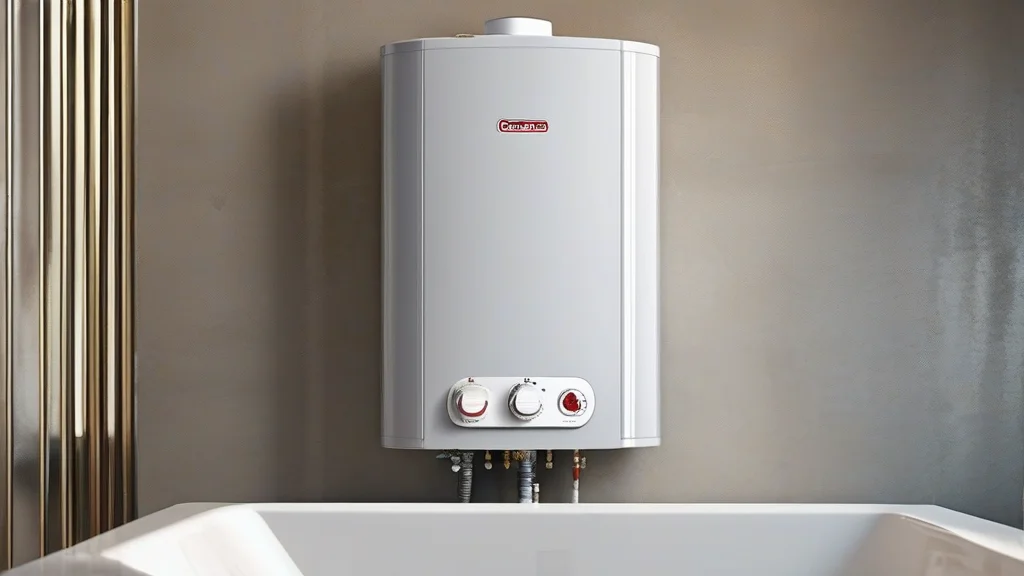
That persistent drip from your water heater is a warning, not a minor nuisance. Many homeowners make the critical mistake of dismissing a leaky geyser as a simple plumbing issue. The reality is far more serious. A leak is often the first visible symptom of internal failure, and delaying a professional geyser repair can lead to catastrophic structural damage, toxic mold growth, and costs that spiral from hundreds to tens of thousands of dollars. Understanding what that drip truly means is the first step in protecting your home’s safety, value, and your wallet.
Water heaters work under constant pressure and heat, which stresses their internal components over time. A leak signals that this system is compromised. Whether it’s a faulty pressure relief valve, a corroded tank, or a broken inlet connection, the water escaping is just the beginning. The real damage happens silently inside your walls and under your floors. This article will guide you through the hidden consequences of a failing geyser, provide a clear framework for deciding between repair and replacement, and outline exactly how to find a qualified professional for a reliable, lasting geyser repair.
The Hidden Dangers of a Leaky Geyser
A leaking water heater is a multi-threat problem. The immediate concern is often the puddle on the floor or the higher utility bill, but these are surface-level symptoms. The insidious damage occurs where you can’t see it. Water follows the path of least resistance, seeping into subfloors, drywall, and insulation. This creates the perfect environment for wood rot and mold growth within 24 to 48 hours. Unlike a burst pipe, a slow leak from a geyser gives you a false sense of security, allowing damage to accumulate over weeks or months until a major structural issue—or a health crisis—reveals itself.
Mold is the most dangerous hidden consequence. Species like Stachybotrys chartarum (black mold) thrive in the damp, dark cavities created by a leaking appliance. Spores can infiltrate your home’s air system, leading to serious respiratory issues, allergic reactions, and chronic health problems for occupants. Remediating widespread mold is a specialized, expensive process, often costing $2,000 to $6,000 or more, and it’s rarely covered by standard homeowners insurance if the cause is deemed long-term neglect. A timely geyser repair is a frontline defense against this health hazard.
Immediate Action Required
If you see water pooling around the base of your geyser, hear popping or rumbling sounds, or notice rusty water from your hot taps, shut off the power (circuit breaker) and the cold water supply valve to the unit immediately. This prevents further damage and reduces safety risks before a professional assessment.
Structurally, the costs are staggering. Water-soaked floor joists lose their integrity, requiring replacement. Soaked drywall must be cut out and replaced. Damaged flooring, cabinetry, and personal property add up quickly. What begins as a $300-$600 repair for the geyser itself can explode into a $5,000+ renovation project. Furthermore, persistent moisture attracts pests like termites and carpenter ants, compounding the destruction. The financial argument for immediate geyser repair is overwhelming when viewed through the lens of potential collateral damage.
Ignoring a geyser leak is not a money-saving strategy; it's a financial gamble where the potential losses are almost always greater than the cost of a prompt, professional repair.
How to Spot Geyser Problems Early
Waiting for a visible leak is waiting too long. Proactive homeowners can identify signs of a failing geyser long before water hits the floor. Regular, simple checks can save you from emergency situations and give you time to plan a geyser repair or replacement on your terms, not in a panic. Incorporate these checks into your seasonal home maintenance routine.
Start with the area around the unit. Look for minor condensation, slight rusting on the tank or pipes, or any signs of moisture on the floor. Feel the pipes connected to the pressure relief valve and the drain valve for dampness. Listen for unusual noises—rumbling, popping, or banging sounds indicate sediment buildup at the bottom of the tank. This sediment insulates the water from the burner or heating element, causing the unit to overwork, reduce efficiency, and eventually overheat and crack the tank lining.
Early Warning Signs
- Rusty Water — Discolored hot water from your taps signals internal tank corrosion.
- Inconsistent Temperature — Fluctuating water temperature points to a failing heating element or thermostat.
- Higher Energy Bills — A steady, unexplained increase points to an inefficient, struggling unit.
- Moisture & Condensation — Any dampness on or around the tank is a precursor to a full leak.
Critical Failure Signs
- Active Leaking — Water pooling from the tank itself means internal failure is occurring.
- Loud Banging/Knocking — Severe sediment overload or overheating, risk of rupture is high.
- Water Around Pressure Valve — Could indicate dangerous over-pressurization.
- Foul Odor from Hot Water — Often caused by bacteria reacting with a corroded anode rod.
Check the age of your unit. The manufacturer’s sticker on the side will have a serial number that usually encodes the manufacture date. Most traditional tank-style geysers have a functional lifespan of 8 to 12 years. If your unit is within this window and showing one or more early signs, scheduling a diagnostic inspection is a prudent move. A professional can assess whether a component geyser repair (like replacing an anode rod or heating element) can extend its life or if a full replacement is more economical.
Conducting a Basic Pressure Relief Valve Test
The temperature and pressure (T&P) relief valve is a critical safety device. It’s designed to open and discharge water if the temperature or pressure inside the tank gets dangerously high, preventing a potential explosion. Testing it annually is a key maintenance task. Locate the valve (usually on the top or side of the tank with a discharge pipe running down). Place a bucket under the pipe, lift the valve’s test lever briefly, and let it snap back. You should see a burst of hot water or steam into the bucket, then it should stop completely when released. If it continues to drip or doesn’t reseal, the valve needs replacement—a simple but vital geyser repair.
Safety First
When testing the T&P valve, the discharged water will be extremely hot. Wear gloves and eye protection. If the valve fails to operate or leaks afterward, turn off the power and water to the geyser and call a professional immediately. A faulty T&P valve is a serious safety hazard.
Geyser Repair vs. Replacement: The Cost-Benefit Analysis
Faced with a malfunctioning geyser, the central question is: repair or replace? The 50% Rule is a useful industry guideline: if the repair cost is close to or exceeds 50% of the price of a new unit, and your geyser is over 8 years old, replacement is almost always the smarter long-term investment. A new unit comes with a fresh warranty, modern energy efficiency, and the peace of mind that major components won’t fail imminently. Let’s break down the typical costs involved.
Common repairs include replacing heating elements, thermostats, or the anode rod, typically ranging from $150 to $400. Replacing a pressure relief valve or drain valve is usually under $200. However, if the issue is a leaking tank itself, repair is not possible—the entire unit must be replaced. The tank is the most expensive component, and corrosion that penetrates the steel shell is a death sentence for the appliance. A professional diagnosis is essential to determine the root cause and provide an accurate quote for the necessary geyser repair or replacement.
| Consideration | Repair | Replace |
|---|---|---|
| Upfront Cost | Lower ($150-$600) | Higher ($1,200-$3,500+) |
| Long-Term Value | Short-term fix; another failure likely | 10+ years of reliable service |
| Energy Efficiency | No improvement (old unit) | Significant savings (newer models) |
| Warranty | Typically 90 days on labor | Full manufacturer warranty (6-10 yrs) |
| Best For | Units under 8 years old with minor, isolated issues | Units over 8 years old or with tank/ major failures |
Beyond age and repair cost, consider energy efficiency. A geyser that is 10+ years old may be operating at 70% efficiency or less. Modern energy-efficient models operate at 90% efficiency or higher. The monthly savings on your energy bill can help offset the cost of a new unit over time. Furthermore, a new installation often includes bringing the system up to current building codes, which improves overall safety. Weighing these factors with a trusted professional will lead you to the most cost-effective decision for your geyser repair or replacement needs.
The most economical choice isn't always the cheapest upfront. Investing in a replacement for an aged, failing geyser often saves more money in avoided repairs, energy bills, and catastrophic water damage over the next 5 years.
Hiring the Right Geyser Repair Professional
Your home’s safety and the longevity of the fix depend entirely on the skill of the technician you hire. Not all plumbers or handymen are equally qualified for geyser repair, which involves high-pressure systems, gas lines, or high-voltage electrical connections. Choosing the wrong pro can lead to improper repairs, voided warranties, and even dangerous conditions like gas leaks or electrical hazards.
Start your search by verifying non-negotiable credentials. The technician or company must hold a current, state-issued plumbing license and, if working on gas lines, a gas fitter license. They should carry both general liability and worker’s compensation insurance—ask for proof. Bonding is another layer of protection for you. Always check online reviews across multiple platforms (Google, BBB, Yelp) and ask for references. A reputable geyser repair specialist will readily provide this information.
Finding a Vetted Professional
Platforms like HomeProMatcher simplify this vetting process. By connecting you with local, pre-screened professionals who are licensed, insured, and reviewed, they eliminate the guesswork and endless search. You get matched with a qualified pro for your geyser repair with a single inquiry, saving hours of research and providing peace of mind that the job will be done right.
When you get estimates, insist on a detailed, written quote that breaks down parts, labor, and any potential additional charges. Beware of quotes given over the phone without an inspection—a proper diagnosis requires seeing the unit and its installation context. Ask pointed questions: “What is the exact cause of the problem?” “Is this a permanent fix or a temporary patch?” “What warranty do you provide on both parts and labor?” A trustworthy professional will educate you on your options, not pressure you into an immediate sale.
- Verify Credentials & Insurance
Before any work begins, confirm the plumber's license number with your state board and ask for a certificate of insurance. This protects you from liability.
- Get 3 Detailed Written Quotes
Obtain at least three itemized quotes for the geyser repair or replacement. Compare the scope of work, parts brands (e.g., Bradford White vs. generic), and warranty terms, not just the bottom-line price.
- Ask About Permits & Code Compliance
For replacements, ask if a permit is required and who will pull it. Proper permitting ensures the installation meets local safety codes.
- Review the Payment Schedule
Avoid contractors who demand full payment upfront. A standard schedule is a deposit for materials, with the balance due upon satisfactory completion and inspection.
The Best Time for Geyser Repair and Maintenance
Timing your geyser repair or maintenance can impact both cost and convenience. The demand for plumbers fluctuates seasonally. Late fall and early winter are typically the busiest times, as dropping temperatures strain aging systems and cause pipes—and water heaters—to fail. Scheduling a proactive inspection or replacement in the spring or summer often means faster service and potentially better pricing, as contractors are less slammed with emergency calls.
Consider your household schedule as well. A geyser repair or replacement usually requires shutting off the water and power for 2 to 4 hours (longer for full replacements). Planning this for a time when your family can manage without hot water for a day minimizes disruption. If you’re replacing the unit, it’s also an opportune moment to consider upgrades, like adding a drip pan with a drain line or installing a water softener if you have hard water, which dramatically extends the life of any new geyser.
Schedule an annual geyser maintenance check in the late summer or early fall. A pro can flush sediment, test valves, and inspect the anode rod. This $100-$150 service can prevent a $1,000+ emergency failure during the peak winter season.
Preventative Care to Avoid Future Repairs
The most cost-effective geyser repair is the one you never need. Implementing a simple, annual maintenance routine can double the lifespan of your unit and ensure it runs efficiently. The core of this routine is sediment flushing. Minerals in your water settle at the bottom of the tank, creating an insulating barrier that causes overheating, reduces efficiency, and leads to cracks. Draining a few gallons from the tank once a year removes this buildup.
Another critical but often overlooked component is the anode rod. This sacrificial rod, usually made of magnesium or aluminum, attracts corrosive elements in the water to protect the steel tank from rusting. It corrodes instead of your tank. Inspecting and replacing this rod every 3-5 years (depending on water quality) is a relatively inexpensive task that can prevent total tank failure. A professional can check its condition during a maintenance visit.
Extend Your Geyser's Life
For homes with very hard water, installing a whole-house water softener is the single most effective upgrade to protect all your appliances, especially your water heater. It prevents scale and sediment formation, which are the primary causes of inefficiency and failure.
Finally, adjust your thermostat. Most manufacturers set default temperatures at 140°F, but 120°F is usually sufficient for most households and is safer, reducing the risk of scalding and slowing mineral buildup. Lowering the temperature also reduces energy consumption, saving you money. A small investment in preventative care and smart settings can save you from the headache and high cost of an emergency geyser repair down the line.
Frequently Asked Questions
Extremely urgent. A leak indicates active failure. Beyond wasting water and energy, it creates conditions for structural damage and toxic mold growth within days. Shut off the power and water supply and contact a professional immediately.
No, you cannot repair a leaking tank. The internal tank is under constant pressure, and any crack or pinhole leak means the structural integrity is compromised. DIY fixes like epoxy or sealants are temporary at best and dangerously ineffective at worst. Tank replacement is the only solution.
The most frequent issues are failed heating elements or thermostats (causing no hot water) and a depleted anode rod leading to tank corrosion and leaks. Sediment buildup is the root cause of many other problems, including inefficient operation and strange noises.
Insurance typically covers sudden and accidental water damage (like a burst tank). However, damage from a slow, long-term leak is often denied as a maintenance failure. The cost of the geyser repair or replacement itself is usually only covered if the failure was caused by a covered peril in your policy.
Most component repairs (thermostat, heating element, valve replacement) can be completed in 1 to 2 hours. A full geyser replacement, including removal of the old unit and installation of the new one, typically takes 3 to 5 hours, depending on the complexity of the setup.