Table of Contents
Your home's HVAC system is the silent guardian of your comfort, but could it be undermining your health? The very technology designed to optimize your climate—the smart thermostat—might be masking deeper problems. When HVAC maintenance falls behind, issues with humidity, airflow, and filtration can turn your living space into a breeding ground for allergens and pollutants. This article explores how improper HVAC care, often exacerbated by modern controls, can create unhealthy indoor air environments and what you can do about it.
Most homeowners think of their HVAC unit only when it stops heating or cooling. This reactive approach misses the critical, ongoing role the system plays in air quality. A neglected system doesn't just waste energy; it can actively degrade the air you breathe for 16 hours a day or more. The convenience of a smart thermostat can create a false sense of security, leading you to overlook the mechanical health of the system it controls. Understanding this disconnect is the first step toward a healthier home.
Understanding Your HVAC System's Vital Role
Your HVAC system—which stands for Heating, Ventilation, and Air Conditioning—is far more than a temperature box. It's a complex circulatory system for your home's air. Every cycle pulls air from your rooms, conditions it (heats, cools, or dehumidifies), filters it, and redistributes it. The ventilation component is especially crucial, as it governs air exchange and moisture control. When any part of this sequence fails, the entire process is compromised.
The filter is your first line of defense. A standard one-inch filter catches large particulates like dust and pet hair, but it does little against mold spores, volatile organic compounds (VOCs), or bacteria. Higher-grade filters, like MERV 13 or HEPA types, can trap these smaller contaminants, but they also restrict airflow if your system isn't designed for them. This is a common mistake: installing a filter that's "too good" without a professional assessing your system's static pressure can cause more harm than good.
Did You Know?
Your HVAC system moves the entire volume of air in your home through its ductwork multiple times per day. If the ducts are dirty or leaking, you're constantly recirculating contaminants.
Ductwork is the hidden highway of your HVAC system. Leaks, poor insulation, and accumulated debris inside ducts are invisible to the homeowner but have a massive impact. Leaky ducts in an unconditioned space like an attic can pull in dust, insulation fibers, and even pest debris, distributing them directly into your living areas. Proper sealing and cleaning are not luxury services; they are foundational to indoor air quality.
How Modern Homes Trap Pollutants
Today's energy-efficient, tightly sealed homes are excellent at conserving conditioned air, but they're also excellent at trapping pollutants. Without deliberate ventilation, contaminants from cooking, cleaning products, off-gassing furniture, and even our own breath have nowhere to go. Your HVAC system's role in managing this through controlled ventilation is more critical than ever. An older system, or one without modern ventilation components like an Energy Recovery Ventilator (ERV), simply recirculates stale air.
The primary job of your HVAC system is to manage four things: temperature, humidity, airflow, and filtration. Ignoring any one compromises your indoor air quality and comfort.
The Smart Thermostat Paradox
Smart thermostats promise savings and convenience by learning your schedule and adjusting temperatures automatically. The problem is, they're only as smart as the data they receive—temperature. They have no sensors for humidity, air pressure, or particulate levels. You can have a perfectly scheduled 72-degree home that also has 70% relative humidity, a level ripe for mold growth. The thermostat reports "all systems go" while hidden problems fester.
These devices can also encourage set-it-and-forget-it behavior. Once a schedule is programmed, homeowners may go months without checking their actual HVAC equipment. A smart thermostat cannot alert you to a slowly clogging condensate drain, a blower motor beginning to fail, or a filter that's been in place for six months. It creates a dangerous digital veil over the physical machine. The perception of control often replaces actual maintenance.
Smart Thermostat Benefits
- Energy Savings — Optimizes run times based on occupancy, potentially reducing bills by 10-15%.
- Remote Access — Allows you to adjust settings from anywhere, adding convenience.
- Usage Data — Provides insights into heating and cooling cycles, helpful for spotting major anomalies.
Potential Drawbacks for Air Quality
- Blind to Humidity — Cannot adjust for high indoor moisture, a primary driver of mold and dust mites.
- Maintenance Masking — Creates an "out of sight, out of mind" relationship with the physical HVAC unit.
- Complex Programming — Incorrect settings (like constant "fan on") can redistribute unfiltered air if ducts are leaky.
Furthermore, some energy-saving features can backfire. The popular "auto-away" mode that lets temperatures drift can cause your system to work in extreme, inefficient bursts to recover. This strain can lead to premature wear and reduce its ability to properly dehumidify the air. A qualified HVAC technician can help you configure these settings to balance efficiency with equipment longevity and air quality.
Hidden Air Quality Issues in Modern Homes
Three primary culprits degrade air quality in homes with under-maintained HVAC systems: humidity imbalance, inadequate airflow, and filter failures. These issues often develop gradually, making them easy to dismiss as "seasonal allergies" or "just stuffy air."
High humidity (above 60%) encourages mold growth on ductwork, in drain pans, and even inside wall cavities adjacent to cold air vents. Dust mites thrive in humid conditions. Low humidity (below 30%), common in winter, dries out mucous membranes, making you more susceptible to viruses and causing irritation. Your air conditioner is your main dehumidifier; if it's oversized or cycles too quickly, it cools the air without removing enough moisture.
Important
Musty odors when the AC first kicks on are a major red flag for microbial growth in your system. Do not mask this with air fresheners—have a professional inspect the evaporator coil and ductwork immediately.
Airflow is the unsung hero. Restricted airflow from a dirty filter, closed vents, or a failing blower motor means your system can't effectively mix and condition the air. Stagnant pockets develop, allowing pollutants to concentrate. It also forces your system to work harder, stressing components. Proper airflow ensures filtered, conditioned air reaches every corner of your home, diluting and removing contaminants.
Finally, the filter is a consumable part with a direct health impact. A filter left in place too long becomes clogged. Eventually, the pressure drop can cause it to buckle, allowing unfiltered air to bypass it completely. Alternatively, air may take the path of least resistance around the filter seal. In both cases, dust, pollen, and other allergens flow freely into your living space and, worse, coat the interior of your ductwork and the system's evaporator coil, creating a sticky surface for mold to grow.
Red Flags Your HVAC Needs Attention
Your system will give you signals long before a complete breakdown. Learning to recognize these signs can save you from costly repairs and protect your air quality. Ignoring them is the most expensive choice you can make.
- Uneven Heating/Cooling — Significant temperature differences between rooms often point to ductwork issues, a failing blower, or an improperly sized system. It’s not just a comfort issue; it's an airflow problem.
- Excessive Dust — If you're dusting surfaces every few days, your air filter is likely ineffective, bypassed, or your ductwork is leaking and pulling in debris from attics or crawl spaces.
- High Humidity Indoors — Windows fogging up, a clammy feeling, or persistent musty smells indicate your AC isn't dehumidifying properly. This is a serious health risk.
- Unusual Noises or Odors — Grinding, banging, or squealing from the unit are mechanical warnings. Burning dust smells at season start are normal; persistent musty, moldy, or electrical smells are not.
- Spiking Energy Bills — A gradual, unexplained increase in your heating or cooling costs is a classic sign of declining HVAC efficiency due to poor maintenance.
If you notice any of these issues, your next step is not a DIY fix for the symptom. It's time to consult a professional who can diagnose the root cause. A platform like HomeProMatcher can simplify this by connecting you with licensed, pre-screened HVAC contractors in your area, ensuring you get a qualified diagnosis from the start.
Keep a simple log: Note the date you change your filter and any unusual symptoms (odors, dust, humidity). This record is invaluable for a technician and helps you maintain a consistent maintenance schedule.
Choosing the Right HVAC Professional
Not all HVAC companies are created equal. The wrong choice can lead to misdiagnosis, overselling, and shoddy work that compounds your air quality problems. You need a technician who views your system as an integrated air quality solution, not just a broken appliance.
Always verify licensing and insurance. A legitimate contractor will have both and provide the numbers willingly. Ask about specific experience with indoor air quality assessments. Do they use tools like manometers to test static pressure, or hygrometers to check humidity at the vents? Will they perform a combustion safety test if you have a gas furnace? These questions separate quick-fix artists from true professionals.
What to Look For in an HVAC Pro
A top-tier HVAC professional will conduct a full system evaluation, not just respond to your complaint. They should inspect the condenser and evaporator coils, check refrigerant levels, measure airflow at multiple vents, test for duct leaks, assess the drain pan and line, and evaluate your thermostat settings. Expect a detailed report and transparent pricing before any work begins.
Get multiple quotes. This is non-negotiable. However, beware of the extremely low bid—it often indicates corner-cutting on parts, labor, or diagnostic thoroughness. The quote should be itemized, explaining what each service entails. Ask about their maintenance plans; a company that offers proactive, twice-yearly tune-ups is invested in your system's long-term health, not just emergency repairs.
- Research & Shortlist
Use trusted resources to find 3-4 licensed local contractors. Read recent reviews focusing on communication, thoroughness, and follow-up. A service like HomeProMatcher pre-vets professionals on these criteria, saving you hours of legwork.
- The Diagnostic Visit
A good technician will spend at least 45-60 minutes inspecting your entire system. They should explain their findings in plain language and show you issues (like a dirty coil) with photos or by bringing you to the unit.
- Review the Proposal
The quote should clearly separate necessary repairs from recommended upgrades. Ask about the energy savings or air quality improvement each item will provide. Get all guarantees and warranties in writing.
Your Actionable HVAC Maintenance Plan
Taking control of your home's air quality starts with a consistent, simple maintenance routine. This plan prevents small issues from becoming health hazards or financial burdens.
First, master the filter. Check it monthly and change it at least every 90 days. If you have pets, allergies, or live in a dusty area, change it every 30-60 days. Write the installation date on the filter frame. Consider upgrading to a better filter, but only after consulting your HVAC pro to ensure your system can handle the increased static pressure. This one habit addresses a majority of airflow and pollutant problems.
Second, schedule professional maintenance twice a year. A spring tune-up prepares your air conditioner for the cooling and dehumidifying season. A fall tune-up ensures your heater is safe and efficient. These visits catch issues like refrigerant leaks, electrical wear, and condensate drain clogs that you'd never see. The $75-$150 cost per visit is minor compared to a $5,000 system replacement or the health cost of poor air.
Finally, become an informed user of your smart thermostat. Use it to monitor runtime and set reasonable temperature differentials (like 2-3 degrees for away mode). Ensure it's level on the wall for an accurate temperature reading. Use its "fan circulate" mode sparingly if you have unknown duct conditions, as it can stir up settled dust. Remember, it's a tool for comfort scheduling, not a substitute for mechanical health.
Proactive HVAC maintenance is the single most effective strategy for ensuring healthy indoor air, maximizing system lifespan, and minimizing unexpected repair costs. It turns your system from a potential liability into a reliable asset.
Frequently Asked Questions
The standard recommendation is every 90 days. However, this is a maximum for light-use scenarios. With pets, allergies, or high dust, change it every 30-60 days. The best practice is to check it monthly—if it looks visibly dirty, change it. A clogged filter is the leading cause of reduced airflow and strain on your system.
Absolutely. A neglected system can circulate mold spores, bacteria, dust mites, and other allergens throughout your home. It can also create excess humidity that encourages biological growth. Symptoms often mimic allergies or colds: coughing, sneezing, headaches, fatigue, and eye or throat irritation. Improving the system's cleanliness can directly alleviate these symptoms.
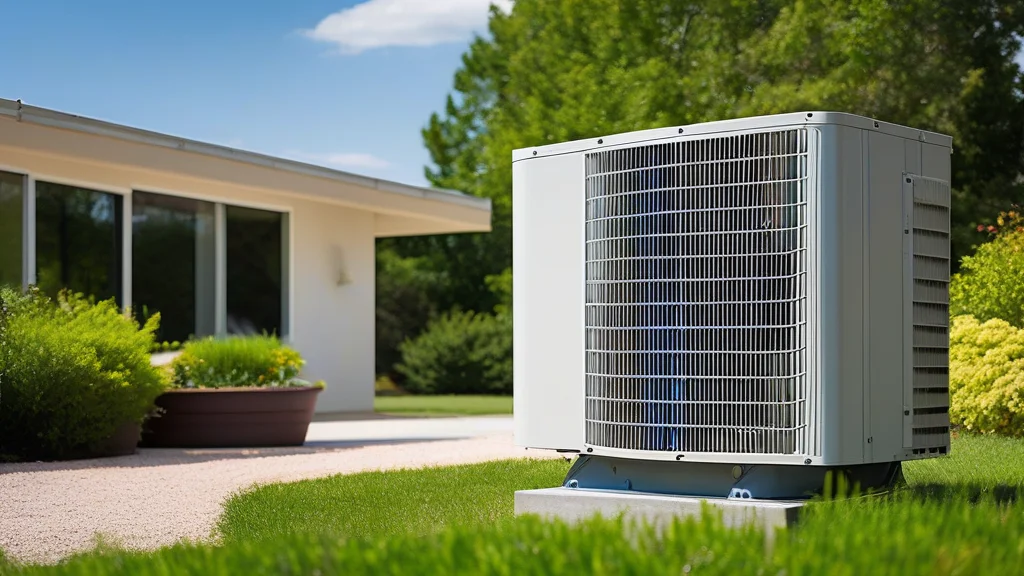
Changing the air filter consistently is number one. A close second is keeping the outdoor condenser unit clear of debris—maintain at least a 2-foot clearance from plants, leaves, and grass clippings. Also, ensure your interior vents are not blocked by furniture or curtains to allow for proper airflow.
Duct cleaning is not needed routinely. The EPA recommends it only if there is visible mold growth inside the ducts, a vermin infestation, or if ducts are clogged with excessive dust/debris that is being released into the home. If no one in your household has allergies or unexplained symptoms, and a visual inspection shows minimal dust, cleaning may not provide benefits. Always hire a reputable company that follows NADCA standards.
An improperly sized system is a common problem. Signs of an oversized system include short, frequent cycling, poor dehumidification, and hot/cold spots. An undersized system runs constantly and never reaches the set temperature. A qualified HVAC professional performs a Manual J load calculation, which considers your home's square footage, insulation, windows, and climate to determine the precise size needed. Never let a contractor guess based on square footage alone.