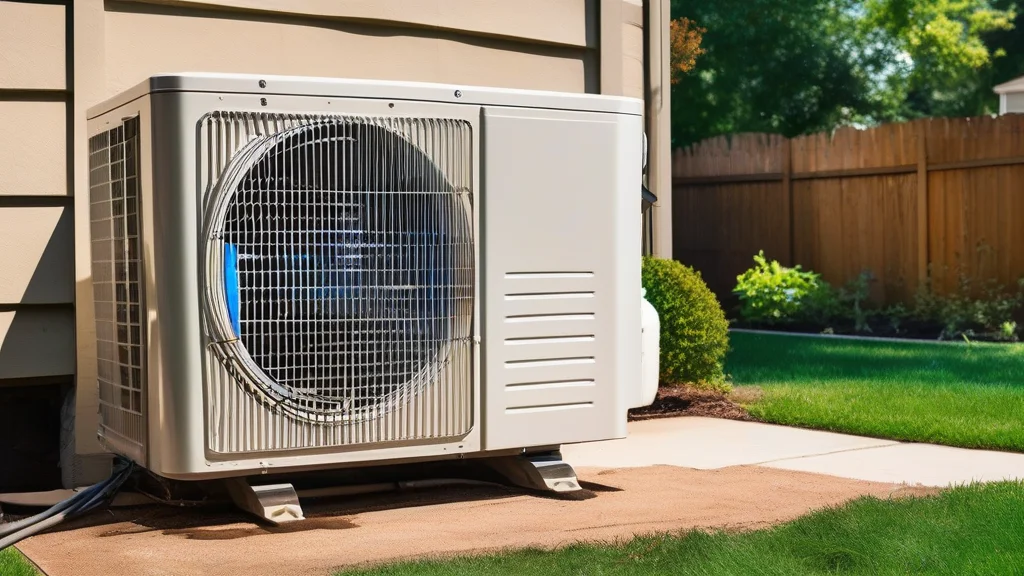
Your air conditioner just isn't keeping up, and you're bracing for the inevitable call to an AC repair service. Before you dial that number and commit to what could be a $500+ service call, there's a critical step most homeowners miss. The real culprit behind poor cooling and high energy bills often isn't the condenser or compressor—it's the hidden network of ducts snaking through your attic and walls. Addressing this single issue can restore comfort and slash your bills, potentially saving you from an unnecessary and costly AC repair.
Homeowners waste millions each year on mechanical fixes when the solution is far simpler. A system losing 20-30% of its cooled air through leaks is working overtime, leading to premature wear and the perception of a failing unit. Understanding this distinction is the key to smart home maintenance and avoiding overspending on AC repair services.
The Hidden Cost of Inefficient Cooling
When your home feels warm and stuffy, the instinct is to assume the air conditioner itself has failed. This assumption leads directly to a service call for AC repair. However, the problem frequently lies in distribution, not production. Your AC unit might be producing plenty of cold air, but if the ducts transporting that air are compromised, it never reaches your living spaces effectively. This forces the system to run longer cycles, spiking your energy consumption and creating hotspots that mimic the symptoms of a low-charge or failing system.
The financial impact is substantial. An inefficient duct system can add $40 to $75 to your monthly summer utility bill. Over a five-month cooling season, that’s $200 to $375 wasted—enough to cover the cost of fixing the leaks themselves. More critically, this strain is a primary cause of compressor failure, the most expensive component to replace in a standard AC repair job. You're essentially paying higher bills today while financing a major breakdown for tomorrow.
Important
Many HVAC technicians are incentivized to sell new units or major component replacements. A thorough duct inspection should always precede any diagnosis recommending a costly condenser or compressor AC repair.
The Silent Efficiency Killer
So, what is this often-overlooked component? It’s your home’s air duct system. Built from flexible tubing or sheet metal, ducts are vulnerable at every seam, joint, and connection. Over time, these seals degrade due to temperature fluctuations, house settling, and simple aging. The leaks that form are often invisible, hidden behind drywall or buried in insulation, silently bleeding your cool, expensive air into unconditioned spaces like attics, crawl spaces, and wall cavities.
The consequences are twofold. First, you lose the cooled air you paid to produce. Second, your system must pull more air from your home to compensate, which often introduces dust, allergens, and humidity from those dirty attic spaces. This is why homes with leaky ducts often struggle with air quality and humidity control, issues that persist even after a routine AC repair service cleans the coils or recharges the refrigerant. The system is fighting a battle it can't win because the battlefield—the ductwork—is compromised.
Leaky air ducts are the single largest source of energy waste in central air conditioning systems. Sealing them is a high-return investment that improves comfort, lowers bills, and extends the life of your AC unit, often making a mechanical AC repair unnecessary.
Why Air Duct Sealing Is Your First Call
Professional duct sealing should be the first investigative step, not an afterthought. A qualified technician uses specialized tools to pressurize your duct system and precisely measure leakage. They then seal leaks from the inside using a permanent, UL-approved aerosol sealant or from the outside with mastic and foil tape. This process, often called duct optimization, is a specialized service distinct from general AC repair.
The benefits are immediate and measurable. Homeowners typically report more consistent temperatures from room to room, faster cooling cycles, and a noticeable drop in their energy bill within the first billing cycle. The system also runs quieter because it’s not straining against the static pressure loss caused by leaks. Most importantly, you’ve addressed a root cause of system stress, potentially adding years to your equipment's lifespan and delaying the need for a major AC repair.
Advantages of Duct Sealing
- Lower Energy Bills — Stop wasting cooled air, with savings often covering the repair cost in 1-2 seasons.
- Enhanced Comfort — Eliminate hot and cold spots for consistent temperature throughout your home.
- Extended Equipment Life — Reduce runtime and strain on the compressor, preventing premature failure.
- Better Air Quality — Prevent dust and allergens from being sucked into leaks from attics and walls.
Considerations
- Upfront Cost — Professional sealing ranges from $150 to $500, depending on home size and access.
- Access Challenges — Sealing ducts in finished walls or ceilings can be more complex and costly.
- Not a Mechanical Fix — If your compressor is already failing, sealing ducts won't solve that specific AC repair need.
Signs Your Ducts Are the Real Problem
How can you tell if your ducts are leaking before you call for an AC repair? Watch for these specific indicators that point to distribution issues rather than equipment failure:
- Dusty registers and rooms — Excessive dust blowing from vents indicates leaks are pulling in unfiltered air.
- Uneven room temperatures — Some rooms are ice-cold while others remain warm, signaling poor airflow balance.
- Whistling or rattling sounds in walls when the AC runs, indicating air escaping at high pressure.
- High static electricity — Very dry air from leaky ducts can increase static shocks indoors.
- AC runs constantly but never seems to satisfy the thermostat, a classic sign of lost capacity.
Diagnose Your Ducts Before Calling for AC Repair
Before you pick up the phone, perform a simple preliminary check. This can arm you with valuable information for your service call or even reveal a simple fix. Start with a visual inspection of any exposed ductwork in your basement, attic, or crawlspace. Look for obvious disconnections, gaps at joints, or areas where old tape has peeled away. Feel for air blowing where it shouldn't be when the system is running.
Next, conduct the “tissue test.” Hold a single-ply tissue or a strip of toilet paper up to the seams of your ductwork while the blower is on. If the paper flutters or is pulled toward a seam, you’ve found a leak. Also, check all your supply register grilles. They should be fully open and unobstructed by furniture or drapes. Closing vents to "save energy" is a myth that actually increases pressure and can worsen duct leaks, leading to a perceived need for AC repair.
For a more accurate DIY test, use an incense stick. The thin smoke will clearly show you where air is being sucked into or escaping from your ducts when the blower fan is running. Mark these spots with painter's tape for a professional to address.
Professional Duct Sealing vs. DIY
For minor, accessible leaks at joints, a homeowner can use the right materials. Never use standard cloth duct tape—it dries out and fails quickly. Instead, use aluminum foil tape rated for HVAC use or a brush-on mastic sealant. These materials are designed to withstand temperature swings and last for years. This is a cost-effective way to address a few obvious problems and can improve performance.
However, for a comprehensive fix, professional sealing is non-negotiable. Pros use diagnostic testing to find leaks you can't see or reach, including those inside walls. They employ specialized equipment like aerosol-based sealants that can coat the entire interior of the duct system, sealing hundreds of tiny pinhole leaks simultaneously. This level of service ensures the job is done correctly and comes with a warranty, providing peace of mind that a temporary DIY patch cannot match. It transforms a guessing game into a precision AC repair strategy.
HomeProMatcher
Skip the endless search and vetting. HomeProMatcher connects you directly with licensed, pre-screened HVAC specialists in your area who can perform both diagnostic duct testing and any necessary AC repair. Their matching service is based on your specific job description, ensuring you get a pro qualified for duct sealing, not just general maintenance.
Choosing the Right AC Repair Specialist
When the issue does require a mechanical fix, or you need a professional duct assessment, choosing the right contractor is critical. Not all HVAC companies prioritize duct diagnostics. Look for a specialist who offers whole-home performance evaluations, not just component replacement. The right technician will ask about your comfort issues and energy bills before ever touching the outdoor unit.
Always get at least three detailed estimates for any significant AC repair or duct sealing job. A reputable quote should include a clear breakdown of labor, materials, and warranty terms. Be wary of companies that offer a "free unit" with a repair—these are almost always financed deals with inflated costs rolled into a new loan. Your goal is to solve the problem efficiently, not be upsold into unnecessary debt.
Red Flags in an AC Repair Estimate
Protect yourself by recognizing warning signs during the estimate process. A trustworthy AC repair provider will be transparent; a problematic one will use pressure and obscurity.
- High-pressure sales tactics — Urgency about "today-only" discounts or claims your unit is a "safety hazard" are major red flags.
- Vague or verbal quotes — Insist on a written, itemized estimate. A refusal to provide one is a deal-breaker.
- No discussion of ducts — If the technician recommends a new unit or major AC repair without mentioning duct testing, their diagnosis is incomplete.
- Request for full payment upfront — Reputable companies may require a deposit, but payment in full before work begins is unusual and risky.
- Unmarked vehicles or lack of branding — This can indicate an uninsured "fly-by-night" operator.
The Ultimate Pre-AC Repair Checklist
Before you authorize any work, use this systematic checklist. It ensures you've explored all simple fixes and are entering the AC repair process as an informed consumer, likely saving hundreds of dollars.
- Reset and Verify Basics
Turn your thermostat off and on. Replace the batteries. Ensure it's set to "cool" and the temperature is set lower than the room temperature. Check your circuit breaker to confirm the unit has power. 25% of service calls are for issues resolved at this step.
- Inspect and Clean the Outdoor Unit
Clear any leaves, grass, or debris within two feet of the condenser. Gently hose down the fins to remove dirt (with the power OFF). Ensure the unit is level on its pad. Restricted airflow is a common cause of poor performance.
- Change Your Air Filter
A clogged filter is the #1 cause of reduced airflow and system freeze-ups. Use a MERV 8-11 filter and change it every 1-3 months during peak season. This simple act can prevent a service call.
- Perform the Duct Leak Check
Complete the visual and "tissue test" inspection of accessible ducts as described earlier. Seal any obvious gaps with mastic or foil tape. Document what you find.
- Gather Multiple Professional Opinions
If problems persist, contact at least three licensed HVAC contractors. Use a service like HomeProMatcher to get matched with vetted local pros. Present your findings from the previous steps and ask specifically for a duct leakage test as part of their diagnostic.
Great News
Completing steps 1-4 yourself can often resolve comfort issues without a service fee. Even if you still need a pro, you'll provide valuable information that leads to a faster, more accurate—and often less expensive—AC repair diagnosis.
Frequently Asked Questions
The national average ranges from $150 to $500, with most homeowners paying around $300. The final cost depends on your home's size, the accessibility of the ductwork, and the sealing method used. This investment typically pays for itself in energy savings within 1 to 3 cooling seasons.
No, when done correctly by a professional, sealing does not cause damage. Proper sealing materials are applied to the outside of ducts or as a thin coating on the inside. The goal is to seal leaks, not close the duct itself. A quality AC repair or HVAC performance company will test airflow before and after to ensure it's improved, not restricted.
Not necessarily. First, seal the ducts. An old AC unit struggling against leaky ducts is like driving with the parking brake on. Sealing the ducts reduces its workload, which can extend its life and improve efficiency immediately. If you then decide to replace the old unit, your new, efficient system will perform up to 50% better because it's connected to an optimized duct system.
Have a professional inspection every 3 to 5 years, or whenever you notice a significant change in comfort, dust levels, or energy bills. You should also inspect ducts after any major home renovation, as construction vibrations can loosen connections. This proactive step is far cheaper than emergency AC repair.
It is not recommended. Duct sealing and AC repair require specific licenses, insurance, and expertise in HVAC system dynamics. A handyman may not use proper materials, understand static pressure, or carry the necessary liability insurance. Always hire a licensed HVAC contractor for work that affects system performance and your home's safety.
The secret to a cool, efficient home isn't always a bigger or newer air conditioner. More often, it's ensuring the system you already have can deliver its full potential. By prioritizing your ductwork, you address the root cause of many comfort complaints. This approach saves money on your monthly bills, prevents costly emergency breakdowns, and ensures any future AC repair or replacement is a true investment in long-term performance. Start with the ducts—it's the smartest first call you can make.