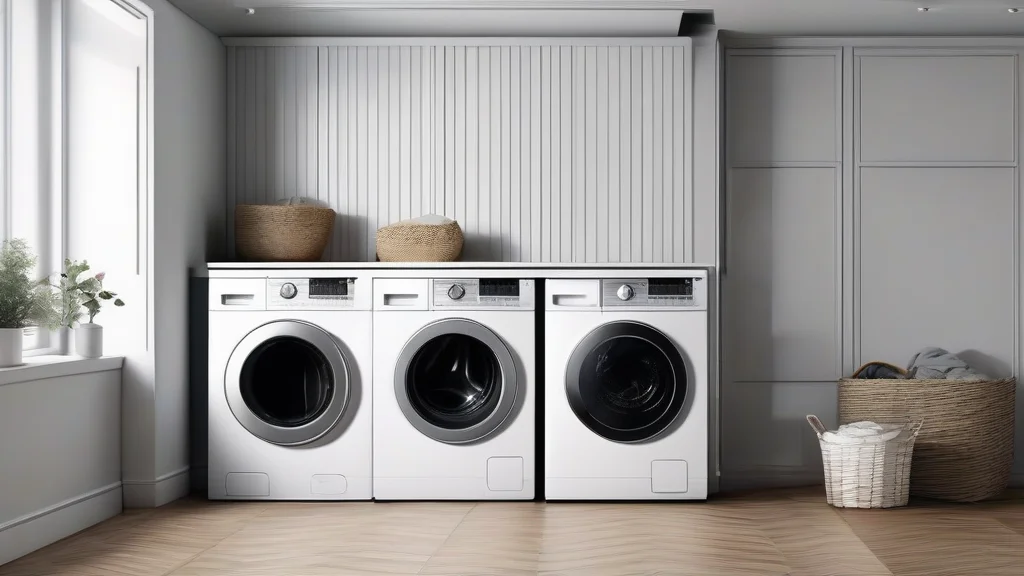
You hear a loud thump, see a small puddle, or smell something burning. Your heart sinks. A broken washing machine is more than an inconvenience; it’s a disruption to your entire household routine. Often, the need for a costly washing machine repair isn’t caused by a random part failure but by the daily habits you don’t even think about. The way you load, what you wash, and how you maintain your machine can either give it a long, productive life or send it to an early grave. This article will uncover the silent ways your laundry routine is damaging your appliance and show you how to prevent the most common, expensive repairs.
Modern washing machines are engineering marvels designed for efficiency, but they’re not invincible. Small, repeated stresses add up. Ignoring a minor imbalance today can lead to a shattered tub bearing or a broken suspension rod tomorrow—repairs that can easily run $300 to $600. Understanding the connection between your actions and the machine’s health is the first step toward avoiding the headache and expense of an emergency washing machine repair call. We’ll move from identifying the problems to providing solutions, including how to find a trustworthy technician when you do need professional help.
Common Laundry Mistakes That Cause Breakdowns
Most washing machine failures don't happen suddenly. They are the culmination of weeks, months, or years of subtle abuse. Homeowners often mistake convenience for correctness, loading habits that seem harmless but place tremendous strain on critical components. The drum, motor, pump, and electronic controls are all vulnerable to these everyday errors. Recognizing them is your primary defense against a disruptive and expensive washing machine repair.
One of the most damaging habits is overloading. It’s tempting to stuff one more towel or a few extra shirts into a cycle to save time. However, an overstuffed drum cannot rotate properly. The motor strains against the excessive weight, the bearings supporting the drum are subjected to uneven pressure, and the suspension system that stabilizes the tub during the spin cycle is overwhelmed. This leads to premature wear on the motor, broken belts, and failed bearings—a repair that often costs more than $500. The machine’s balance is also critical; a single heavy item like a rug or comforter thrown off-center can create a violent imbalance during the spin cycle, literally shaking the machine apart.
Important
An overloaded washer doesn’t clean effectively. Clothes need room to agitate and move freely through the water and detergent. You’re not saving a cycle; you’re creating a scenario where you’ll need to re-wash clothes while simultaneously damaging your appliance.
Another silent killer is the misuse of detergent. Using too much soap, or the wrong type, creates a cascade of problems. Excess sups can overflow, leaking into the machine's electronic controls and causing short circuits. More insidiously, leftover soap residue builds up inside the drum, hoses, and pump, creating a sludgy film that traps lint and debris. This buildup clogs drain pumps and hoses, leading to standing water, foul odors, and drainage failures. High-efficiency (HE) machines are particularly sensitive; using regular detergent in an HE machine creates three times more suds than the machine is designed to handle, forcing it into error modes and potentially damaging the pump.
Ignoring Basic Maintenance and Small Problems
Washing machines require minimal but consistent care. Neglecting simple tasks is a direct path to a service call. The lint filter or pump trap, often located behind a small access panel, is designed to catch coins, hairpins, and small objects. If never cleaned, these items can jam the pump impeller, burn out the pump motor, or even puncture the inner drum. A $20 part replacement becomes a $200 service visit because of accumulated neglect.
Similarly, ignoring small leaks or unusual noises is a critical error. A tiny drip from a hose connection can rot flooring and subflooring, leading to thousands in home damage. A new clicking sound might be a bra wire or zipper caught in the drum, scraping with each rotation. A persistent burning smell could indicate a seized motor or a worn drive belt. Addressing these signs immediately can turn a potential major washing machine repair into a simple, inexpensive fix. The rule is simple: unusual operation is a symptom, and symptoms left untreated become failures.
Your washing machine’s biggest enemies are overloaded drums, incorrect detergent, and ignored maintenance. Changing these three habits can prevent over 60% of common repair scenarios.
The Real Cost of Neglect: Repair vs. Prevention
When your washing machine stops working, you’re faced with a tough financial decision: repair or replace? The answer isn't always obvious and depends heavily on the age of the machine and the nature of the failure. However, the cost of the repair itself is only part of the equation. You must also consider the hidden costs of downtime, emergency service fees, and potential collateral damage to your home. Understanding this breakdown shows why prevention isn't just about appliance longevity—it's about protecting your wallet.
A typical service call for a washing machine repair starts with a diagnostic fee, usually between $75 and $125. If the technician identifies a failed control board, pump, or transmission, parts and labor can quickly push the total bill to $350-$600. For a machine that is 8-10 years old, a repair costing more than 50% of the price of a comparable new unit often doesn’t make economic sense. Conversely, replacing a $15 water inlet valve or a $30 door latch on a newer machine is a smart investment that extends its life for years.
The hidden costs are where the real financial pain occurs. An undetected leak from a worn hose can cause thousands of dollars in water damage to flooring, drywall, and cabinetry—damage often not fully covered by homeowners insurance. An emergency weekend or holiday service call can add a 50-100% premium to the standard labor rate. Then there's the inconvenience cost: trips to the laundromat, time off work to meet the technician, and the general disruption to your household management. When you add it all up, the annual $20 for a supply hose upgrade or $10 for a washing machine cleaner is an extraordinary bargain.
Investing in Repair
- Cost-Effective for Newer Models — Fixing a 2-5 year old machine is almost always cheaper than replacement.
- Environmental Choice — Keeps a functional appliance out of the landfill.
- Known Performance — You retain an appliance whose quirks and features you already understand.
Choosing Replacement
- Economic Sense for Old Units — If repair costs exceed half the price of a new, efficient model.
- New Features & Efficiency — Modern machines use significantly less water and energy.
- Full Warranty — A new purchase comes with a 1-year full warranty and often longer on major parts.
Finding the Right Washing Machine Repair Pro
When prevention fails and you need professional help, finding a reliable technician is paramount. A bad washing machine repair experience can mean overpaying, receiving shoddy work, or even being scammed. The market is filled with independent handymen and large national chains, each with pros and cons. Your goal is to find a technician who is competent, honest, and fairly priced. This requires a bit of homework, but it pays off in a correctly fixed machine and peace of mind.
Start with verification. Any legitimate repair professional should be licensed, insured, and bonded. Licensing requirements vary by state, but it indicates a base level of competency. Insurance protects you if the technician accidentally causes damage to your home. Don’t just take their word for it; ask for proof. Next, check online reviews across multiple platforms like Google, Yelp, and the Better Business Bureau. Look for patterns: consistent praise for honesty and fair pricing is a great sign. A pattern of complaints about misdiagnosis, high-pressure sales for unnecessary parts, or return visits for the same problem are major red flags.
Watch Out
Be wary of technicians who give quotes over the phone without a diagnosis, or who insist the entire control board needs replacement for a simple error code. Always request the old parts back after replacement. A reputable pro will have no problem with this.
Getting multiple quotes is non-negotiable. For a standard washing machine repair, you should contact at least two or three companies. However, the hassle of finding, vetting, and calling multiple providers is a real barrier for busy homeowners. This is where a service like HomeProMatcher adds tremendous value. Instead of spending hours searching, you provide your details once. Their system matches you with pre-screened, licensed, and reviewed local pros who are ready to provide competitive quotes. It streamlines the process, ensuring you get quality options without the endless phone tag and form-filling.
- Verify Credentials & Reviews
Before anyone steps into your home, confirm their license and insurance. Spend 10 minutes reading recent customer reviews focusing on communication, pricing accuracy, and work quality.
- Get a Detailed, Written Estimate
A professional estimate should break down the diagnostic fee, cost of parts (with part numbers if possible), labor charges, and any potential additional costs. It should specify whether the diagnosis fee is waived if you proceed with the repair.
- Ask the Right Questions
Inquire about warranty on both parts and labor (90 days is standard, 1 year is excellent). Ask how experienced they are with your specific brand and model. A good technician will explain the problem in understandable terms.
When to DIY and When to Call a Pro for Washing Machine Repair
The rise of online tutorial videos has empowered many homeowners to tackle minor appliance issues themselves. A successful DIY fix can save you $150 or more and provide a real sense of accomplishment. However, misjudging your skills or the complexity of the problem can turn a small issue into a catastrophic failure, void warranties, and even create safety hazards. Knowing the line between a DIY project and a job for a professional is a critical skill.
There are several repairs well-suited for a confident DIYer with basic tools. These are typically external, mechanical, or involve simple replacement parts. If your machine won’t drain, the first step is almost always to check and clean the pump filter—a task outlined in your user manual that requires no special tools. Replacing a worn or leaking water inlet hose is another straightforward swap. For top-load machines, replacing a broken lid switch (which prevents spinning when open) is usually a simple fix. These actions can resolve common problems and delay the need for a professional washing machine repair.
| Repair Type | DIY Difficulty | Avg. DIY Cost | Avg. Pro Cost | Recommendation |
|---|---|---|---|---|
| Cleaning Pump/Filter | Easy | $0 | $85-$150 | DIY First |
| Replacing Inlet Hoses | Easy | $20-$40 | $120-$200 | DIY |
| Replacing Door/Lid Switch | Moderate | $15-$40 | $150-$250 | DIY if Comfortable |
| Replacing Drain Pump | Moderate-Hard | $50-$100 | $200-$350 | Consider Pro |
| Fixing Motor or Transmission | Hard | $150-$400+ | $400-$700+ | Call a Pro |
| Repairing Electronic Control Board | Very Hard | $100-$300 | $300-$600 | Always Call a Pro |
You should immediately call a professional for any issue involving the machine's internal electronics, main motor, or tub assembly. Diagnosing and replacing a control board requires specialized knowledge and tools. Repairing a transmission or a sealed tub bearing is a complex, labor-intensive disassembly that, if done incorrectly, can render the machine unusable. Furthermore, any repair involving the machine's wiring or internal safety mechanisms poses a risk of electric shock or fire if not handled properly. If your problem is intermittent, involves error codes you can’t clear, or requires moving the heavy machine to access rear components, it’s time to seek expert washing machine repair.
Before calling a pro, always unplug the machine and pull it out from the wall. Check for obvious obstructions in the drain hose, ensure the water supply valves are fully on, and try a hard reset by unplugging for 2 minutes. You might solve the problem instantly and save the service fee.
Proactive Habits to Extend Your Machine’s Life
The ultimate goal is to minimize your need for any washing machine repair, emergency or otherwise. This is achieved through proactive, mindful habits that treat the appliance as a partner in your home, not a disposable workhorse. A regimen of simple care can add five to seven years to the functional life of your machine, representing a massive return on a minimal investment of time and a few dollars.
Establish a monthly and quarterly maintenance routine. Every month, run an empty hot water cycle with two cups of white vinegar or a washing machine cleaner to dissolve mineral deposits and soap scum. Every three months, inspect the water inlet hoses for bulges, cracks, or brittleness. The Rubber Manufacturers Association recommends replacing washing machine hoses every five years without fail, as they are a leading cause of catastrophic water damage. Keep the exterior and the door seal (gasket) clean and dry to prevent mold and mildew, which can damage seals and cause odors.
Great News
Most modern washers have a "clean washer" or "tub clean" cycle designed for this monthly maintenance. Using it regularly is the single easiest thing you can do to maintain performance and prevent odor-causing buildup that leads to pump clogs.
Your daily laundry habits are the final piece of the puzzle. Always balance loads by size and fabric type—don’t wash one heavy blanket by itself. Use the correct amount of HE detergent and consider skipping fabric softener, which coats sensors and contributes to buildup. Zip zippers, fasten hooks, and turn heavy-duty items like jeans inside-out to protect the drum. Finally, leave the door or lid open after every cycle to allow the interior to dry out completely, preventing the musty smell that signals microbial growth. By integrating these practices, you transform from a passive user into an active steward of your appliance.
Longevity is built on simple rituals: monthly cleaning cycles, 5-year hose replacement, balanced loads, and proper detergent use. This routine costs less than $50 a year but can save you over $1,000 in premature replacement costs.
Frequently Asked Questions
The most frequent issues are drain pump failures (often due to clogging from small objects or lint) and problems with the water inlet valve. Both are frequently caused by lack of basic maintenance, like cleaning the pump filter.
Consider the 50% Rule: if the repair estimate is more than half the cost of a comparable new, energy-efficient model, and your machine is over 8 years old, replacement is usually the smarter choice. Also, if the tub or main frame is damaged, repair is rarely economical.
It depends on the leak's source. Check the easiest points first: ensure the drain hose is securely in the standpipe and not blocked, and that the water inlet hoses at the back are tight. If the leak is from underneath the machine or from the door seal, it's often best to call a professional for a proper washing machine repair diagnosis.
This is almost always caused by an unbalanced load. Stop the cycle, redistribute the clothes evenly in the drum, and restart. If the problem persists with balanced loads, the suspension rods or springs (which stabilize the tub) may be worn out and require professional replacement.
Instead of searching multiple websites and making countless calls, use a matching service like HomeProMatcher. You describe your problem once, and they connect you with pre-vetted, licensed, and reviewed local professionals who can provide quotes, saving you significant time and ensuring quality options.