Window replacement is consistently ranked among the top five home improvement projects for both return on investment and homeowner satisfaction. New windows reduce energy bills, eliminate drafts, cut outside noise, improve curb appeal, and make your home significantly more comfortable year-round. Yet the window industry is also one of the most confusing categories in home improvement — with hundreds of brands, dozens of frame materials, three generations of glass technology, and pricing that can vary by 400% for what appears to be the same product.
This guide cuts through the noise. We cover every major window type and frame material, break down real-world costs for 2026, review the five largest window brands in the US market, and give you a clear framework for making the right choice for your home, climate, and budget.
When Should You Replace Your Windows?
Windows do not have a single universal lifespan. A wood-frame window in a well-maintained New England colonial might last 50 years with periodic painting and resealing. A cheap builder-grade vinyl window in a hot, humid Southern climate might need replacement in 15. The signals that it is time to replace are clearer than the timeline:
- Failed seals on double or triple-pane glass — visible as fogging, condensation, or a hazy appearance between the panes that cannot be wiped clean. Once a seal fails, the insulating gas (argon or krypton) has escaped and the window's thermal performance drops to near-single-pane levels.
- Difficulty operating — windows that are hard to open, will not stay open, will not lock properly, or have hardware that is broken or corroded are both a convenience and a security problem.
- Visible drafts or cold spots — hold a candle or incense stick near the frame on a windy day. If the flame flickers or smoke drifts, the window is allowing significant air infiltration, driving up your heating and cooling bills.
- Rot, warping, or water damage in the frame — wood frames are especially susceptible, but water intrusion can damage any frame material if caulking and flashing have failed.
- Single-pane glass — if your home still has original single-pane windows, replacement will almost certainly pay for itself in energy savings within 10 years, and often much sooner in extreme climates.
- Exterior noise penetration — modern double-pane windows with laminated glass dramatically reduce outside noise. If traffic, neighbors, or neighborhood activity is keeping you up at night, acoustic-rated replacement windows can make a dramatic difference.
Did You Know?
According to the U.S. Department of Energy, heat gain and heat loss through windows account for 25–30% of residential heating and cooling energy use. In a typical American home spending $2,000 per year on energy, that represents $500–$600 going out the window — literally.
Energy Efficiency Statistics
Great News
The Inflation Reduction Act extended the federal Energy Efficient Home Improvement Credit through 2032. You can claim 30% of the cost of qualifying Energy Star windows — up to $600 per year. Combined with potential state rebates and utility incentives, the effective out-of-pocket cost of energy-efficient windows can be significantly lower than the sticker price.

Types of Replacement Windows
Window style affects ventilation, sight lines, cleaning ease, and cost. Understanding the options helps you match the right style to each room's function and your home's architecture.
| Window Type | How It Opens | Best Room | Ventilation | Avg Cost (installed) |
|---|---|---|---|---|
| Double-Hung | Upper and lower sashes slide vertically | Bedrooms, living rooms | Good (upper + lower can open) | $300–$850 |
| Single-Hung | Only lower sash moves | Bedrooms, budget builds | Moderate | $200–$650 |
| Casement | Hinged on side, crank-operated swing out | Kitchens, hard-to-reach spots | Excellent (full opening) | $400–$1,100 |
| Awning | Hinged at top, swings out at bottom | Bathrooms, basements | Good; can open during light rain | $350–$900 |
| Slider / Gliding | Sashes slide horizontally | Bedrooms, walkout walls | Moderate (50% of opening) | $250–$800 |
| Picture / Fixed | Does not open | Living rooms, views | None | $300–$1,200+ |
| Bay / Bow | Combination of fixed and operable units | Living rooms, dining rooms | Limited to operable sections | $1,500–$4,500 |
| Garden Window | Projects outward, has side vents | Kitchens | Limited | $1,000–$4,000 |
| Skylight / Roof Window | Fixed or vented, installed in roof | Bathrooms, attics, great rooms | Excellent for vented models | $900–$2,400 |
Casement windows provide the tightest seal when closed because the sash compresses against the weatherstrip under the force of wind pressure — the same physics that make a door seal. Double-hung windows, by contrast, rely on compression between two movable sashes and typically allow slightly more air infiltration over time. For maximum energy efficiency in a cold climate, casements are the superior choice for most applications.
Window Frame Materials Compared
Vinyl Frame Pros
- Lowest cost — typically 25–40% less than wood or fiberglass
- No painting required; color is integral to the material
- Excellent moisture resistance; will not rot or corrode
- Good thermal performance with multi-chamber profiles
- Widest availability; every brand offers vinyl
- Low long-term maintenance requirements
Vinyl Frame Cons
- Cannot be painted if you want to change colors
- Can warp or discolor in extreme heat (dark colors in hot climates)
- Lower perceived value and thinner appearance than wood or fiberglass
- Not available in as many custom configurations
- Lower structural strength limits very large openings
Fiberglass Frame Pros
- Strongest frame material — can span larger openings
- Excellent thermal performance (low expansion/contraction)
- Can be painted and repainted any color
- Does not warp, rot, or corrode
- Long lifespan — 30–50+ years with minimal maintenance
- More authentic appearance than vinyl
Fiberglass Frame Cons
- Highest cost — 20–50% more than comparable vinyl
- Fewer brands and product lines available
- Heavier than vinyl (can complicate installation)
- Some brands have limited color availability off the shelf
Wood Frame Pros
- Classic, high-end aesthetic — preferred for historic homes
- Excellent insulating properties
- Can be painted or stained any color
- Most customizable for unusual sizes and shapes
- Required by some historic preservation codes
Wood Frame Cons
- Most expensive option; also highest maintenance
- Must be painted or sealed every 5–7 years
- Susceptible to rot, warping, and insect damage if not maintained
- Most Andersen and Pella "wood" windows use clad exteriors for durability
2026 Window Replacement Cost Guide
Window costs vary enormously based on size, style, glass package, frame material, brand, and installation complexity. These figures reflect national averages for fully installed replacement windows in 2026, including labor, disposal of old windows, and basic trim work:
These figures assume standard-size openings and insert (pocket) replacements. Full-frame replacements — where the entire window unit including exterior casing and jamb extensions is removed and rebuilt — cost 25–40% more but are necessary when frames are rotted or when significantly changing the window size or style.
Whole-home window replacement quotes are often negotiable — especially if you are replacing 8+ windows. Contractors will discount labor costs significantly on large jobs. Always get at least three bids, and ask each contractor to provide the same specifications (brand, product line, glass package) so you can make a true apples-to-apples comparison.
Top Window Brands Reviewed
Five manufacturers dominate the US replacement window market. Each has distinct strengths, target markets, and distribution models.
Andersen Windows
Best for: Premium quality, wide product range, long-term investment
Signature products: 400 Series (wood interior, aluminum-clad exterior), E-Series (fully custom), 100 Series (Fibrex composite — proprietary material)
Frame material: Wood, Fibrex composite, and vinyl (200 Series)
Warranty: 20-year limited on glass, 10-year on non-glass parts (transferable)
Andersen is the largest window manufacturer in North America. Their Fibrex composite material — made from reclaimed wood fiber and PVC — is 70% stiffer than vinyl and proven through 50+ years of field performance. The 400 Series is their most popular line and represents genuine premium quality at a mid-to-high price point. Sold through dealers and big-box stores; professional installation strongly recommended.
Pella Corporation
Best for: Wood and wood-clad windows, custom sizes, architect-specified projects
Signature products: Pella 250 Series (vinyl), Pella 350 Series (wood-clad vinyl), Architect Series (all-wood or wood/aluminum clad)
Frame material: Vinyl, wood, fiberglass, aluminum-clad wood
Warranty: Lifetime limited on Impervia fiberglass; 20-year on most wood products
Pella competes directly with Andersen at the premium tier and often wins on wood window quality and customization depth. Their Impervia fiberglass line is one of the strongest replacement window products on the market, tested to withstand 150+ mph winds. Available through Pella showrooms and select dealers. Their window installation network receives mixed reviews — the products are excellent, installer quality varies by region.
Marvin Windows & Doors
Best for: Luxury custom windows, historic renovation, architectural projects
Signature products: Marvin Signature (Ultimate, Modern, Coastline), Marvin Essential (vinyl), Infinity from Marvin (Ultrex fiberglass)
Frame material: Wood, Ultrex pultruded fiberglass, vinyl
Warranty: Lifetime limited on Ultrex fiberglass products
Marvin occupies the top of the market for architectural-grade and custom windows. Their Ultrex pultruded fiberglass is arguably the strongest and most dimensionally stable window frame material available — eight times stronger than vinyl and virtually zero thermal expansion. If you are doing a high-end renovation where the windows are a design centerpiece, Marvin is the first call to make. Price reflects the quality; expect to pay 30–60% more than comparable Andersen or Pella products.
Milgard Windows & Doors
Best for: Western US markets, value-oriented fiberglass and vinyl
Signature products: Milgard Style Line (vinyl), Milgard Tuscany (vinyl), Milgard Essence (wood interior/fiberglass), Milgard Ultra (fiberglass)
Frame material: Vinyl, fiberglass, hybrid wood/fiberglass
Warranty: Full lifetime warranty (all original parts, all subsequent owners)
Milgard is the dominant window brand in California, the Pacific Northwest, and the Mountain West. Their full lifetime warranty — covering parts, glass, and even labor for as long as you own the home — is the strongest in the industry. The Tuscany Series is their best-selling vinyl product and offers excellent value. Distribution is primarily through dealers in western states; availability is limited in the Midwest and East.
Harvey Building Products
Best for: Northeast US markets, contractor-grade volume replacement, competitive pricing
Signature products: Harvey Classic (vinyl double-hung), Harvey Tribute (replacement series), Harvey ThermalPlus
Frame material: Vinyl
Warranty: Lifetime limited on glass and frame (transferable once)
Harvey is a regional powerhouse in New England and the Mid-Atlantic states. They focus almost exclusively on vinyl replacement windows and sell primarily through the contractor channel, making them less familiar to consumers but very familiar to professional installers. Their ThermalPlus glass package (triple-pane with argon fill and Low-E coating) is competitive with premium national brands at a meaningfully lower price point. If you are getting contractor bids in the Northeast, Harvey will likely appear in at least one estimate.
Full-Frame vs. Insert Replacement
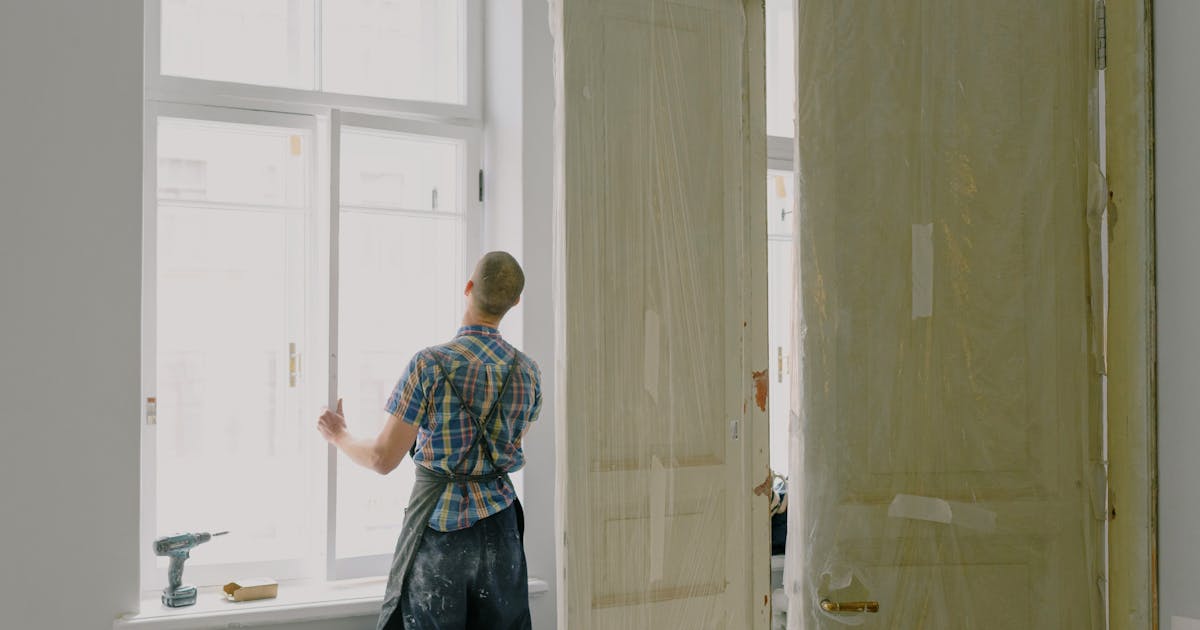
There are two fundamental approaches to window replacement, and the right choice depends on the condition of your existing frames:
Insert replacement (pocket replacement) installs a new window unit into the existing frame, leaving the interior and exterior casing in place. This is faster, less disruptive, and less expensive — labor runs about 30–40% less than full-frame. It is the right choice when your existing frames are structurally sound, properly plumbed and squared, and free of rot or water damage. The downside is a slight reduction in glass area, since the new frame nests inside the old one.
Full-frame replacement removes the entire window assembly — glass, frame, casing, interior trim, and exterior casing — down to the rough opening. This allows inspection and repair of the surrounding structure, installation of new sill pans and flashing for a watertight installation, and the ability to change window size or style. It is necessary when frames are rotted, when you are changing window configurations, or when you want the best possible thermal performance (proper flashing dramatically reduces air and water infiltration).
Important
Many companies market insert replacements as a quick "window in a window" solution. While legitimate, be aware that insert replacements done poorly — without proper sill pans, flashing tape, and foam insulation — can trap moisture between the old and new frames, leading to rot and mold within a few years. Always ask your installer specifically how they handle the rough opening before and after the insert goes in.
Energy Savings: What to Expect
The actual energy savings from window replacement depend heavily on what you are replacing and what you are replacing it with. The biggest gains come from upgrading single-pane to double-pane — the improvement in thermal performance is dramatic. Upgrading from older double-pane to modern double-pane with Low-E coating and argon fill is meaningful but more modest.
Key glass performance specifications to understand:
- U-Factor — measures heat transfer (how much cold comes through in winter). Lower is better. Single-pane: 0.85–1.3. Old double-pane: 0.45–0.55. Modern Energy Star double-pane: 0.22–0.30.
- Solar Heat Gain Coefficient (SHGC) — measures how much solar heat passes through the glass. In cold climates, a higher SHGC (0.30–0.40) captures free solar heat in winter. In hot climates, a lower SHGC (0.20–0.25) reduces cooling loads.
- Low-E coating — a microscopically thin metallic coating that reflects infrared radiation without significantly reducing visible light. This is the single most impactful glass upgrade available.
- Argon or krypton fill — inert gases between panes that conduct heat less efficiently than air. Argon is the standard; krypton is denser and better-performing but significantly more expensive, primarily used in triple-pane units.
Great News
Energy Star certified windows qualify for the federal 30% tax credit (up to $600/year) and often unlock state-level utility rebates that can add $50–$200 per window. Ask your contractor to confirm that the specific product they are proposing carries the Energy Star label for your climate zone — there are four distinct Energy Star climate zones with different performance requirements.
How to Choose the Right Window
-
Assess your existing frames first
Before choosing a window, determine whether your frames are sound enough for insert replacement or whether full-frame work is needed. This one decision affects budget and timing significantly. A reputable window installer will assess this during a free in-home measurement appointment.
-
Match the style to your architecture
Double-hung windows are appropriate for virtually every American architectural style. Casements pair naturally with craftsman, contemporary, and mid-century modern homes. Awning windows work beautifully in basements and bathrooms. Bay windows belong on traditional and colonial styles. Resist the urge to mix radically different window styles across your home — visual consistency reads as higher quality at resale.
-
Choose your glass package based on climate
In Climate Zones 4–7 (most of the US north of Virginia and east of the Rockies), prioritize a low U-Factor (0.27 or lower) with a moderate SHGC. In Climate Zones 1–3 (Florida, Gulf Coast, desert Southwest), prioritize a low SHGC to reduce cooling loads. Your window dealer can confirm the right specifications for your specific location.
-
Set a realistic budget per window
A realistic budget for quality replacement is $450–$800 per window installed for standard vinyl double-hungs, or $700–$1,400 for fiberglass or wood-clad products. Budget-only windows under $250 installed typically reflect compromises in weatherstripping, hardware, and glass package that shorten the useful life significantly.
-
Get three competitive bids
Window pricing is negotiable, especially on whole-home orders. When comparing bids, confirm that each bid specifies the exact same brand, product line (not just brand), glass package (Low-E? Argon? Triple-pane?), and warranty terms. A bid that is $2,000 lower may simply be quoting a cheaper glass package or omitting argon fill.
-
Verify installer credentials
Check that your installer is licensed, insured, and — ideally — certified by the window manufacturer you have chosen. Manufacturer-certified installers receive product-specific training and can offer extended warranties that uncertified installers cannot. Andersen, Pella, and Marvin all maintain certified dealer networks; ask your local dealer about certification status.
The window brand matters less than the installation quality. A perfectly installed mid-range vinyl window will outperform a premium window installed sloppily — because improper installation defeats all the thermal engineering in the product. Always verify installer credentials and ask specifically how they handle flashing, foam insulation, and sill pan drainage during installation.
Frequently Asked Questions
A professional crew can typically install 8–12 standard-size replacement windows in a single day using the insert method. Full-frame replacements take longer — plan for one to two windows per day with full exterior work. Bay and bow windows, or any window requiring structural modifications, can take a full day per unit. Custom-ordered windows typically have a lead time of 4–12 weeks from order to installation depending on the manufacturer and product line.
Requirements vary by jurisdiction. Most municipalities do not require a permit for like-for-like window replacement where you are not changing the size or location of the opening. Full-frame replacements that alter the rough opening size, or any structural changes, typically do require a permit. Your contractor should be familiar with local requirements and responsible for pulling any necessary permits. In regulated jurisdictions (especially Florida and California), permits are important: an unpermitted window replacement can complicate a home sale or insurance claim.
Low-E (low-emissivity) glass has a microscopically thin metallic oxide coating that reflects radiant heat. In winter, it reflects your home's interior heat back inside rather than letting it escape through the glass. In summer, it reflects solar infrared radiation to reduce heat gain. The performance improvement over standard clear glass is substantial — U-Factor improvements of 30–50% are common. In virtually every US climate, Low-E glass pays for its modest premium through energy savings within a few years. It is standard on any quality replacement window and should be considered mandatory rather than optional.
Triple-pane windows are worth considering in Climate Zones 6 and 7 (the northern tier of the US and high-altitude regions where winters are severe), particularly if you are heating with electricity. In milder climates, the payback period for triple-pane over double-pane is typically 15–25 years — longer than most homeowners stay in one place. Triple-pane windows also provide superior acoustic performance (outside noise reduction), which is valuable regardless of climate if you live near a highway, airport, or other noise source.
The key questions are: What exactly is covered? For how long? Is it transferable to a subsequent owner? Does it cover labor as well as parts? Most manufacturers offer "lifetime limited" warranties on frames and hardware, with 20-year coverage on glass seal failure. Read the fine print — many "lifetime" warranties exclude seal failure after 20 years, have deductibles, or require registration within 30 days of purchase. Milgard's fully transferable lifetime warranty (including labor) is the most comprehensive in the industry. Andersen and Pella offer solid but more limited coverage that generally requires the original homeowner.
In cold, wet climates (Pacific Northwest, Northeast, upper Midwest): fiberglass or Andersen's Fibrex composite, because they resist expansion and contraction in freeze-thaw cycles and are dimensionally stable in high moisture environments. In hot, sunny climates (Southwest, Southeast): vinyl with light-colored or white frames to minimize solar heat absorption and expansion. In coastal environments with salt air exposure: fiberglass, aluminum-clad wood, or vinyl — avoid unprotected aluminum or bare wood. For historic homes where appearance matters more than budget: wood or aluminum-clad wood to maintain authentic aesthetics.
Replacing all windows at once offers several advantages: you get the lowest per-unit price (volume discount on both materials and labor), all windows will match aesthetically, and you only disrupt your home once. The downside is the large upfront cost. If budget is the constraint, prioritize windows in order of: (1) failed seals causing fogging, (2) windows in rooms you use most (comfort and noise), (3) windows on the most exposed elevations (north and west typically), and (4) the largest windows, since they lose the most heat per dollar spent on replacement. Most window companies also offer financing.