When your backyard becomes a mosquito buffet, you need a strategy. Effective mosquito control isn't just about reacting to the buzz; it's about creating an environment where they cannot thrive. Many homeowners immediately reach for chemical sprays, but there's a more sustainable, beautiful approach waiting in your garden. This article explores how strategic landscaping and plant selection can transform your yard into a natural fortress against these pests, offering a powerful component of a comprehensive mosquito control plan.
This proactive method works by targeting the three things mosquitoes need: standing water for breeding, sheltered resting areas, and easy access to hosts. By intelligently designing your green space, you address these factors head-on. You'll not only reduce your reliance on chemical treatments but also create a more vibrant, enjoyable outdoor living area. Let's move beyond temporary fixes and build a landscape that provides lasting mosquito control.
The Mosquito Problem: More Than Just a Nuisance
Understanding your adversary is the first step to winning the battle. Mosquitoes are more than irritating biters; they are vectors for serious diseases. In the United States, West Nile Virus remains the leading mosquito-borne illness, while other regions contend with threats like Zika and Dengue. A single female mosquito can lay 100 to 200 eggs at a time, and those eggs can develop into biting adults in as little as 5 to 7 days under ideal conditions. This rapid lifecycle means a small oversight—a forgotten bucket, a clogged gutter—can explode into a major infestation.
The goal of integrated mosquito control is to break this cycle at multiple points. It's a layered defense. While this article focuses on the garden layer, it's most powerful when combined with other tactics. Remember, mosquitoes have a flight range of up to 1 to 3 miles. Your perfectly managed yard can still see visitors from a neighbor's neglected pond or a nearby construction site. That's why a multi-pronged strategy is essential. Your garden becomes your first and most immediate line of defense, reducing the population right where you live, work, and play.
Effective mosquito management is not a single action but a continuous strategy that disrupts their breeding cycle and makes your property inhospitable. Your garden is a critical, active player in this system.
The Foundations of Effective Mosquito Control
Before we plant a single seed, we must address the non-negotiable basics. No amount of lavender will overcome a yard filled with breeding sites. The cornerstone of all mosquito control, natural or otherwise, is source reduction. This simply means eliminating the standing water where mosquitoes lay their eggs. It requires a meticulous eye and regular patrols, especially after rainfall.
Conduct a weekly audit of your property. Look beyond the obvious. It's not just about emptying the bird bath. Check for these common offenders:
- Clogged gutters and downspouts — Leaves and debris create perfect miniature ponds on your roof.
- Plant saucers and drainage trays — Empty them weekly or fill them with sand to absorb water.
- Children's toys and yard equipment — A frisbee or tarp can hold enough water for hundreds of larvae.
- Low-lying areas and depressions — Fill these in with soil or consider French drains to improve runoff.
- Trash can lids and recycling bins — Ensure they are covered and draining properly.
For water features you wish to keep, such as ponds or rain barrels, you must make them hostile to larvae. This is where biological mosquito control agents shine. Bacillus thuringiensis israelensis (Bti) is a naturally occurring bacteria that produces toxins specifically lethal to mosquito and black fly larvae. It's available in dunk or granule form and is completely harmless to humans, pets, birds, and fish. Introducing mosquito fish (Gambusia) into permanent ponds is another highly effective biological solution.
Important
Never ignore standing water because it "looks clean." Mosquitoes prefer clean, still water for laying eggs. A forgotten watering can or a folded tarp can become a nursery in just a few days.
Your First Line of Defense: Strategic Repellent Plants
Now for the enjoyable part: building your aromatic army. Certain plants produce essential oils and compounds that mosquitoes find repulsive. It's crucial to manage expectations—simply having these plants in your garden won't create a 100% force field. Their power is most potent when the leaves are brushed, crushed, or otherwise disturbed, releasing their oils into the immediate air. Think of them as living citronella candles placed strategically where people gather.
The most effective plants for mosquito control are those with strong, penetrating scents. Here are the top performers to incorporate into your landscape:
Best Mosquito-Repellent Plants
- Citronella Grass — The classic. Plant in large pots near seating areas; its strong lemony scent is the source of natural citronella oil.
- Lemon Balm — A fast-growing, hardy herb. Crush a leaf and rub it on your skin for a quick, natural repellent (patch test first).
- Marigolds — Their distinctive smell deters mosquitoes, and they contain pyrethrum, a compound used in many insect repellents.
- Rosemary — This woody herb thrives in hot, dry conditions and releases its scent when brushed against or used on the grill.
- Lavender — Beautiful, drought-tolerant, and universally disliked by mosquitoes, moths, and flies.
- Catnip — Studies show it can be ten times more effective than DEET at repelling mosquitoes, though it may attract feline visitors.
Planting Considerations
- Not a complete barrier — Plants alone cannot protect an entire yard from determined mosquitoes.
- Requires disturbance — The repellent effect is strongest when leaves are crushed or brushed.
- Can be invasive — Some, like mint and lemon balm, should be planted in containers to prevent takeover.
- Allergy potential — Strong floral scents may bother some individuals.
To use these plants effectively, concentrate them in high-traffic zones. Plant them in containers on your patio, line walkways with lavender, or create a border of marigolds around your deck. The key is proximity and density. A single pot of rosemary on a large deck will have minimal impact, but several pots flanking your furniture group creates a much more effective aromatic zone.
Beyond Repellents: Plants That Attract Predators
An advanced garden strategy involves recruiting allies. By planting to attract mosquito predators, you add a dynamic layer to your mosquito control system. Birds, bats, dragonflies, and beneficial insects like ladybugs and spiders all consume vast quantities of mosquitoes and other pests.
- For Birds: Plant native shrubs and trees that provide shelter and food sources (like berries). Sunflowers, coneflowers, and other seed-producing flowers will attract finches and other insect-eating birds. A birdbath with fresh, moving water (add a small agitator) provides drinking water without becoming a mosquito haven.
- For Bats: A single bat can eat 1,000 mosquitoes per night. Plant night-blooming flowers like evening primrose or moonflower to attract the insects bats feed on. Consider installing a bat house on a sunny, high spot on your property.
- For Dragonflies: These aerial acrobats are mosquito assassins. A small, healthy pond with aquatic plants will attract them to lay eggs. The nymph stage is aquatic and voraciously consumes mosquito larvae.
Did You Know?
Dragonfly nymphs are so effective that they are used in municipal mosquito control programs. Creating a dragonfly-friendly pond is one of the most powerful natural interventions you can make.
Garden Design for Mosquito Control
Your garden's layout and maintenance practices have a huge impact on mosquito populations. Mosquitoes are weak fliers that seek calm, humid, shaded areas to rest during the day. A messy, overgrown, and damp yard is a five-star hotel for them. Intelligent design flips the script, creating an environment that is exposed, airy, and dry.
First, prioritize air flow and sunlight. Trim back overhanging branches and dense shrubbery, especially near the house. This reduces shaded, humid resting spots. Keep your lawn mowed and avoid letting grass get too long. Consider the layout of your plantings—avoid creating dense, impenetrable jungles. Instead, use a layered but open approach. Proper spacing between plants allows air to circulate, reducing humidity and making the area less appealing to mosquitoes.
Use fans on your patio or deck. Mosquitoes are poor fliers and cannot navigate in a breeze stronger than 1-2 mph. A simple box fan is often more immediately effective than citronella candles.
Second, be smart about irrigation. Overwatering is a common mistake that undermines mosquito control efforts. Waterlogged soil and constantly damp mulch provide ideal humidity and potential breeding sites. Water your garden deeply but less frequently, and always in the morning so foliage has time to dry completely before evening. Use drip irrigation or soaker hoses instead of sprinklers when possible, as they deliver water to the roots without wetting leaves and creating excess ambient moisture.
- Audit for Water
Walk your property with a "mosquito eye" after every rain. Dump, drain, or treat any standing water you find. This is the single most important weekly task.
- Plant Strategically
Place strongly-scented repellent plants in containers and beds immediately around patios, doors, and windows. Create borders that you and guests will brush against.
- Design for Airflow
Prune trees and shrubs to open the canopy. Space plants appropriately and choose varieties that don't create dense, damp thickets close to your home.
- Recruit Predators
Add a water feature for dragonflies, plant for birds and bats, and avoid broad-spectrum pesticides that kill beneficial insects.
- Maintain Diligently
Keep grass cut, remove leaf litter, and ensure compost piles are turned and active (not wet and stagnant).
When to Call in Professional Mosquito Control
Despite your best gardening efforts, there are times when professional intervention is necessary. If you live near a large, permanent water source like a marsh, pond, or river, the mosquito pressure may be too great for DIY methods alone. Similarly, if you're hosting a major outdoor event like a wedding, or if you have a family member with severe reactions to bites, the guaranteed reduction offered by a pro is worth the investment.
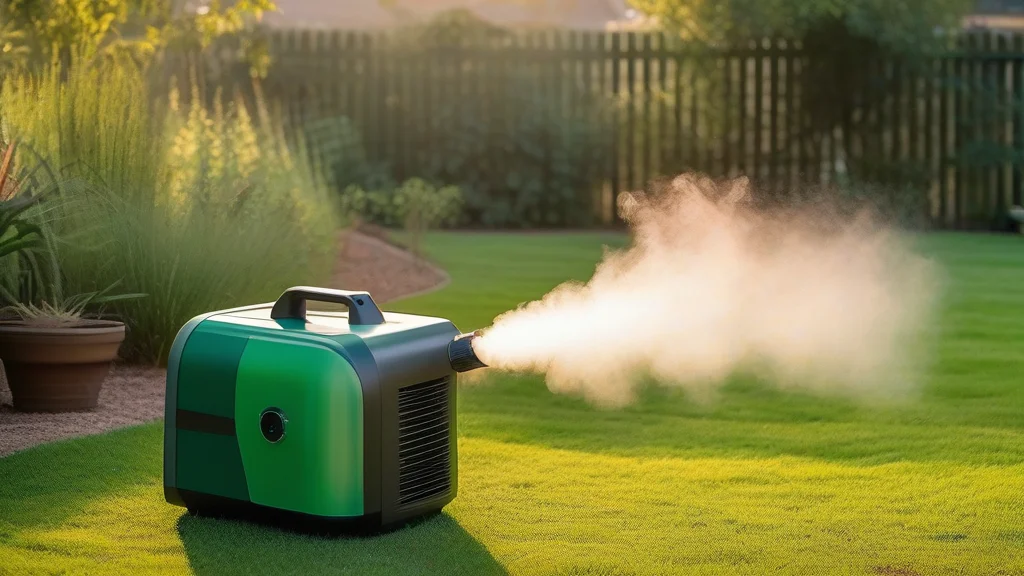
Professional mosquito control services typically offer two approaches: barrier treatments and misting systems. Barrier treatments involve spraying a residual insecticide around the perimeter of your property, focusing on foliage where mosquitoes rest. These treatments usually last 3 to 4 weeks. Misting systems are automated systems installed around your property that release insecticide at programmed intervals. They offer convenience but come with a higher upfront cost and require regular maintenance and refills.
These services are most effective when integrated with your garden-based strategies. A professional can treat the dense canopy of a tree you can't reach, while your repellent plants and predator habitats work at ground level. This layered approach provides the most comprehensive protection. If you're considering this route, a platform like HomeProMatcher can simplify the process by connecting you with licensed, pre-vetted local professionals who specialize in mosquito control, saving you the hassle of endless searches and uncertain reviews.
Choosing the Right Mosquito Control Service
Hiring a professional is a significant decision. You're inviting someone to apply chemicals on your property, where your family and pets spend time. Doing your due diligence is non-negotiable. A reputable provider will be transparent, knowledgeable, and focused on integrated solutions, not just chemical applications.
Start by getting at least three detailed quotes. The quote should be a comprehensive plan, not just a price. It should include a property inspection, identification of problem areas (like breeding sites you may have missed), a clear explanation of the products they use, and the expected frequency of service. Be wary of any company that gives a quote over the phone without seeing your property—effective mosquito control is highly site-specific.
What to Look For in a Quality Pro
A top-tier mosquito control service will be fully licensed and insured, use EPA-registered products labeled for residential mosquito use, and offer a satisfaction guarantee. They should discuss all aspects of control, including larval sources (like French drains or gutters) and habitat modification, not just adulticide spraying. Ask if they use micro-encapsulated formulas which provide longer residual control with less environmental impact.
Here are the critical questions to ask before signing a contract:
- "Are you licensed and insured for pesticide application in this state?" — Verify their license number with your state's Department of Agriculture.
- "What specific products do you use, and what are their active ingredients?" — Request the Safety Data Sheets (SDS). Beware of companies that use "proprietary" blends as an excuse for secrecy.
- "Do you offer a treatment guarantee?" — Understand the terms. Most guarantees require you to call them back for a re-treatment if mosquitoes return before the next scheduled service.
- "Will your technician perform a pre-treatment inspection for breeding sites?" — A good technician will point out birdbaths, clogged gutters, and other issues you can address to improve results.
- "Do you practice Integrated Pest Management (IPM)?" — This is a green flag. IPM prioritizes non-chemical methods first and uses pesticides as a targeted last resort.
Finally, trust your instincts. A high-pressure sales tactic or a refusal to answer questions directly is a major red flag. Your goal is to find a partner in mosquito control, not just a vendor. For homeowners who want to skip the vetting process, services like HomeProMatcher pre-screen providers for licensing, insurance, and customer reviews, making it easier to start conversations with qualified local experts.
Frequently Asked Questions
Yes, but with important caveats. The plants themselves don't create an invisible barrier. They release repellent oils, primarily when their leaves are crushed or brushed against. For best results, use them densely in containers and planters placed directly in your seating areas, where physical contact will release their scent into your immediate airspace.
The number one mistake is ignoring small sources of standing water. Mosquitoes can breed in a bottle cap. Weekly property audits to dump out water in plant saucers, toys, tarps, and gutter extensions are more impactful than any spray. Consistent source reduction is the foundation of all effective control.
Costs vary widely by region and property size. For a standard barrier treatment program (monthly sprays), expect to pay $350 to $550 for an entire season. One-time treatments for events range from $75 to $150. Installed automatic misting systems have a high upfront cost, typically between $2,500 and $4,000, plus ongoing chemical refill costs.
Their effectiveness is short-lived. Garlic sprays or homemade essential oil concoctions may repel mosquitoes for a few hours, but they degrade quickly in sunlight and wash away with rain or irrigation. They require very frequent reapplication. For a durable, set-it-and-forget-it solution, strategic landscaping combined with targeted professional treatments is more reliable.
Start before mosquito season peaks. In most climates, this means early spring. This allows you to eliminate overwintering adults and target the first generations of larvae, preventing a population explosion in summer. Implementing garden strategies in spring gives plants time to establish and grow before the heaviest bug pressure arrives.
Winning the war against mosquitoes requires a shift from reactive killing to proactive exclusion. By transforming your garden into a thoughtfully designed ecosystem, you employ nature's own tools for mosquito control. You eliminate breeding grounds, deploy aromatic repellents where you relax, and welcome predators that work for you around the clock. This approach is sustainable, beautiful, and forms the resilient core of your defense.
Pair this green strategy with professional expertise when needed, and you reclaim your outdoor living space. The hum of mosquitoes is replaced by the buzz of bees and the chirp of birds. Your yard becomes a true sanctuary. Start with a simple weekend audit for standing water, then build your plant-based defenses one container at a time. Consistent, intelligent action yields a season of peaceful, bite-free enjoyment.