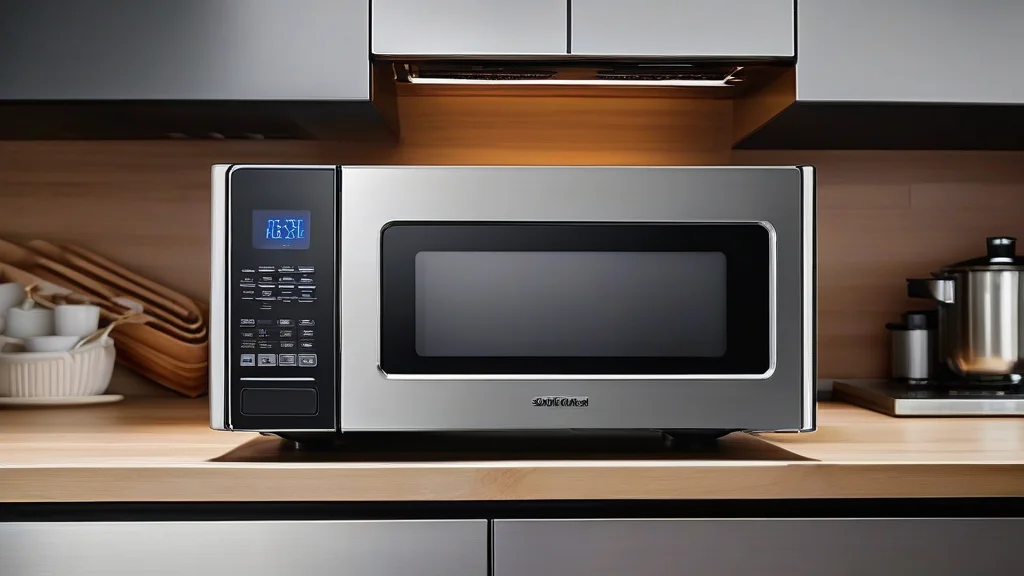
Your microwave is a kitchen workhorse, but when it starts making strange noises, it can quickly become a source of anxiety. That sudden hum, unexpected click, or alarming buzz isn't just annoying—it's often the first sign of a problem that needs attention. Understanding microwave repair basics and what these sounds mean can save you money, prevent safety hazards, and help you decide whether you need a professional. This guide decodes five critical noises your microwave should never make, explaining their causes, severity, and the next steps you should take.
Every unusual sound is a clue. A persistent hum might point to a failing magnetron, the component that generates the microwaves. A rhythmic clicking could indicate a faulty relay switch. Ignoring these auditory warnings can lead to complete failure or, worse, a fire risk. The goal isn't just to identify the noise but to understand the associated repair cost and the level of urgency. Knowing when a problem is a simple DIY fix versus when it demands a certified technician is crucial for every homeowner.
Common Microwave Noises and What They Mean
Microwaves operate through a complex interplay of electrical components and mechanical parts. Normal operation includes a soft fan noise for ventilation and a steady, low hum from the transformer. Abnormal sounds deviate from this baseline and are often categorized by their character and timing. A sound that occurs only when the door is open points to a switch issue. A noise that starts when you press "Start" but stops when you cancel points to a power component. Diagnosing the issue accurately hinges on observing these details.
Before you panic or call for a microwave repair service, perform a simple assessment. Unplug the unit and inspect for obvious issues like a damaged turntable roller or loose debris. Listen carefully: Is the sound constant or intermittent? Does it change with the selected power level? This initial troubleshooting can provide valuable information to a technician and might even reveal a simple fix you can handle yourself. However, remember that microwaves contain high-voltage parts; internal diagnostics should always be left to professionals.
Safety First
Never attempt to disassemble the inner cabinet of your microwave to diagnose a noise. The high-voltage capacitor can hold a lethal charge even when the unit is unplugged. If the noise is accompanied by a burning smell, sparks, or the unit not heating, stop using it immediately and seek professional help.
Humming and Buzzing Sounds
A loud, pronounced hum or a sharp electrical buzzing is one of the most common reasons people seek a microwave repair. This often indicates an issue with the high-voltage circuit. The magnetron, which produces the microwaves, requires thousands of volts to operate, supplied by a transformer and capacitor. A failing transformer can emit a loud, vibrating hum. A buzzing might come from a arcing diode or a loose connection within this high-voltage section.
The severity here is high. These components are not only expensive but their failure can lead to a complete lack of heating. If your microwave hums loudly but your food remains cold, the magnetron is likely the culprit. Replacement parts for this core component alone can cost $100 to $200, and the labor to install them is specialized. This is almost never a DIY job due to the serious electrical hazards involved.
A loud hum or buzz paired with no heating almost certainly means a failed magnetron or transformer. Professional microwave repair is required, and the total cost often makes replacement a consideration for older units.
Diode and Capacitor Issues
Within the high-voltage system, two specific parts often cause buzzing: the high-voltage diode and the capacitor. The diode acts as a one-way valve for electricity. When it fails, it can create a buzzing or clicking sound as electricity tries to flow incorrectly. The capacitor stores the high-voltage charge; if it becomes damaged or leaks, it can produce a distinct buzzing or even a popping sound. Diagnosing which component is faulty requires a technician with proper testing equipment.
Replacing a diode or capacitor is typically less expensive than a full magnetron replacement, often ranging from $80 to $150 for the repair. However, the danger remains the same. These components must be discharged safely before handling. A common red flag for homeowners is a microwave that trips the household circuit breaker when started—this can point directly to a short circuit in these high-voltage parts.
Pros of Professional Repair for Hum/Buzz
- Correct Diagnosis — Technicians use multimeters to test diodes, capacitors, and magnetrons accurately, avoiding misdiagnosis.
- Safety Guarantee — Proper discharge and handling of high-voltage components eliminates risk of electric shock.
- Warranty on Parts/Labor — Most reputable services offer a 90-day warranty on both the new part and the work performed.
Cons of DIY Attempts
- Extreme Hazard — The capacitor can deliver a lethal shock even weeks after the microwave is unplugged.
- Complex Access — Reaching these components requires removing the outer casing and shielding, a intricate process.
- Cost of Mistakes — Installing a wrong part or causing further damage can double the final repair cost.
Clicking and Ticking Sounds
A rhythmic clicking or rapid ticking noise, especially when you press start or open the door, usually points to the switch assembly or the control relays. The door has multiple safety switches that ensure the microwave only operates when securely closed. If these switches become misaligned or worn, they can click repeatedly as they try to engage. Similarly, the control board uses relays to send power to different functions; a faulty relay can click incessantly.
This type of noise often indicates a mechanical or low-voltage electrical fault, which can be less severe than a high-voltage issue. Sometimes, a simple cleaning of the door latch area or realignment of the door can resolve a clicking sound. However, if the clicking is coming from inside the control panel, it requires a technician to access and test the relays. The repair cost for switch or relay issues is generally more moderate, often between $60 and $120.
Door Switch Test
You can safely test door switch involvement. Listen if the clicking occurs when you gently open and close the door without latching it. If the sound is directly tied to door movement, the switch assembly is likely the problem. This information is valuable to give to a repair technician.
Turntable-Related Clicking
Not all clicking is electronic. A regular ticking or grinding sound during operation might come from the turntable mechanism. The turntable motor, the roller guide, or the coupler that connects the motor to the tray can wear out or become obstructed by food debris. This creates a clicking or skipping sound as the tray rotates unevenly. This is one of the more benign issues and is sometimes a candidate for a DIY fix.
If the sound is clearly from the tray area, unplug the microwave and remove the turntable plate and roller guide. Inspect for cracks, worn wheels, or obstructions. Cleaning the area and replacing a broken roller guide (a part often costing under $20) can solve the problem. If the sound persists after this, the turntable motor itself may be failing, which is a more involved repair.
- Identify the Sound Location
Determine if the clicking is from the front door area, the control panel, or underneath the turntable. This narrows down the possible causes dramatically.
- Perform a Visual Inspection
For turntable noises, inspect the tray, roller guide, and coupler for damage or debris. For door noises, check for obvious misalignment or damage to the latch.
- Consult a Professional for Internal Sounds
If the clicking originates from inside the control panel or behind the front fascia, do not attempt to open it. Schedule a diagnostic microwave repair service.
Grinding and Screeching Sounds
A metallic grinding or high-pitched screeching is a serious auditory red flag. This noise almost always indicates a failing motor. The two main motors in a microwave are the cooling fan motor (which ventilates the magnetron) and the turntable motor. When their bearings wear out or the shafts become misaligned, they produce a harsh grinding or screeching sound under operation. Continued use with this noise can cause the motor to seize completely or damage adjacent components.
The cooling fan motor is critical for safety; it prevents the magnetron from overheating. If a grinding sound comes from the rear or top of the microwave (where the vent is), and is accompanied by excessive heat on the exterior cabinet, stop using the unit immediately. A seized fan can lead to magnetron burnout within minutes. Repair for a fan motor replacement typically costs between $100 and $180, including labor.
Sizzling and Popping Sounds
A sizzling or popping sound, reminiscent of electrical arcing, is the most dangerous noise your microwave can make. This indicates electricity is jumping across a gap—often from the magnetron waveguide to the cavity or within the high-voltage circuitry. Common causes include a dirty waveguide cover (a mica sheet that protects the magnetron), spilled food creating a conductive path, or a cracked antenna from the magnetron.
This situation poses a direct fire risk. You might see visible sparks or flashes inside the cavity. The first step is to immediately unplug the microwave and not use it again. Cleaning the interior, especially the waveguide cover (located on the ceiling or side wall of the cavity), can sometimes resolve arcing caused by grease or food splatter. However, if the cover is cracked or burned, or if cleaning doesn't stop the sound, a professional microwave repair is urgent and mandatory.
Sizzling or popping sounds with visible sparks mean electrical arcing. Unplug the unit immediately. While cleaning the interior cavity might help, a damaged waveguide cover or magnetron antenna requires professional replacement to eliminate fire hazard.
When Your Microwave Goes Silent
While we focus on noises, the absence of the normal operational hum is also a problem. If your microwave turns on (lights come on, timer counts down) but produces no sound and no heat, it's likely a complete failure of the magnetron or its power supply. This "silent failure" is a common endpoint for many of the noise-related issues if they are ignored. Diagnosing a silent microwave requires a technician to test the high-voltage circuit with specialized tools.
The decision between repair and replacement becomes most relevant here. If the unit is over 8 years old and requires a magnetron replacement costing $250 or more, buying a new microwave often makes more economic sense. Newer units offer better efficiency and features. For a newer or higher-end model, a professional microwave repair might still be worthwhile, especially if the warranty has recently expired.
| Scenario | Likely Cause | Repair Cost Range | DIY Feasibility |
|---|---|---|---|
| Loud Hum, No Heat | Failed Magnetron | $200 - $350 | Not Safe |
| Rhythmic Clicking at Door | Faulty Door Switches | $60 - $120 | Low (alignment only) |
| Grinding from Rear Vent | Failed Cooling Fan Motor | $100 - $180 | Low |
| Sizzling/Arcing Inside | Dirty/Cracked Waveguide | $80 - $150 | Medium (cleaning only) |
| Silent Operation (No Heat) | High-voltage Circuit Failure | $150 - $300 | Not Safe |
Microwave Repair Costs vs. Replacement
Understanding the cost landscape is essential when you're facing a noisy microwave. The national average for a professional microwave repair service call ranges from $150 to $300, including diagnosis, parts, and labor. The final price depends heavily on the component needed. A turntable motor repair might be at the lower end, while a magnetron replacement in a built-in unit can approach the higher end.
The replacement threshold is usually calculated against the age and original value of your microwave. A simple rule many technicians use: if the repair cost exceeds 50% of the replacement cost of a comparable new unit, replacement is the smarter choice. Also consider the remaining lifespan; a 10-year-old microwave might have other components nearing failure soon after one repair.
Getting Accurate Quotes
Never accept a flat-rate quote without a diagnosis. A reputable repair service will provide an estimate after inspecting the unit. When you call, describe the noise accurately and any accompanying symptoms (no heat, sparks, etc.). This helps the technician prepare. Always ask for a detailed breakdown of the quote: diagnostic fee, part cost, labor cost, and any potential additional fees. Some companies offer price matching or discounts if you can provide a competing quote.
Platforms like HomeProMatcher simplify this process. By connecting you with pre-screened, licensed local professionals, you can quickly get multiple accurate quotes without endless phone calls. This comparison ensures you don't overpay for your microwave repair and that you choose a technician with proven expertise for your specific problem.
Before you commit to any repair, ask the technician about the warranty on both the new part and their labor. A standard warranty is 90 days. If they only warranty the part or offer no labor warranty, consider another provider.
Choosing a Microwave Repair Service
Selecting the right professional is as important as diagnosing the noise. A poor repair can leave you with the same problem or new issues. Look for companies that specialize in appliance repair, not just general handyman services. They should have specific experience with microwave circuitry and high-voltage systems. Verification of licensing and insurance is a non-negotiable first step, protecting you from liability.
Check online reviews, but read them critically. Look for mentions of specific microwave repairs, punctuality, clarity of quotes, and warranty fulfillment. Ask direct questions: "How many microwave repairs do you perform monthly?" and "Do you carry the common parts (magnetrons, diodes) on hand?" A confident, transparent answer indicates experience. Avoid technicians who insist on replacing the entire unit without providing a detailed repair estimate first.
HomeProMatcher
This service connects homeowners with local, licensed appliance repair specialists. After describing your microwave's noise issue, they match you with vetted technicians in your area who provide upfront diagnostic quotes. It eliminates the search time and ensures the provider is qualified for high-voltage appliance microwave repair.
Prepare for the service visit. Clear space around your microwave, ensure you can describe the noise and its timing, and have the model number ready. The model number helps the technician access precise schematics and part lists. A smooth visit starts with good communication. After the repair, test the microwave with the technician present to ensure the noise is gone and heating function restored.
- Verify Credentials
Confirm the company holds current business licensing and carries liability insurance. Ask for their certification in appliance repair.
- Get a Detailed Estimate
Request a written quote that separates diagnostic fee, part cost, and labor. Ensure there are no hidden "shop fees" or minimum charges.
- Check Review Consistency
Look for patterns in online reviews. Consistent praise for communication, fair pricing, and successful microwave repair is a strong indicator.
- Ask About Parts Warranty
A reputable service warranties both the new part and their labor for at least 90 days. This protects you from immediate re-failure.
Frequently Asked Questions
It depends on the noise. A faint new hum or occasional click might be monitored cautiously, but any buzzing, grinding, screeching, or sizzling sound warrants immediate cessation of use. These noises often indicate electrical or mechanical failures that can lead to fire hazards or complete breakdown. The safest approach is to unplug the unit and seek a professional diagnosis for microwave repair.
The magnetron is typically the most expensive component. This part generates the microwaves and is central to the oven's function. Replacement costs for the part alone range from $80 to $150, with total repair costs including labor often reaching $200 to $350. In many over-the-range or built-in models, the magnetron cost can make repair uneconomical compared to replacement.
Almost never. A buzzing sound typically originates from the high-voltage circuitry, including the capacitor and diode. These components store a lethal charge even when the microwave is unplugged. Discharging and testing them requires specialized tools and knowledge. Attempting a DIY microwave repair on these parts risks severe electric shock and further damage to the unit. This repair should always be handled by a licensed professional.
A standard diagnostic and repair visit typically takes 1 to 2 hours. If the technician identifies the issue quickly and has the necessary part on hand, the repair can be completed in one visit. For less common parts that need ordering, the process might involve an initial diagnostic visit and a second visit for the repair, spanning several days. Always ask about timeline expectations when scheduling.
Consider replacement when the repair cost exceeds half the price of a new comparable unit, when the microwave is over 8-10 years old, or when multiple components are failing. Also, if the model is obsolete and parts are hard to find, replacement becomes more practical. For newer, high-end models, a professional microwave repair is usually the more cost-effective choice.